
Choosing travel well is less about chasing the cheapest fare or the most popular destination and more about checking the decision points that can change the whole trip: safety, timing, health needs, refund rules, local access, and realistic energy levels.
This article plan uses practical travel experiences as decision checkpoints, with cautious references to official guidance such as travel advisories, health resources, international checklists, and aviation consumer protections where details can change.
International Flight With a Tight Connection

A multi-leg international fare can look like the smart, budget-friendly choice on a booking screen, but the headline price only holds if every connection actually works. The hidden value of a tight connection is really about whether the layover gives you enough room to clear immigration, collect and recheck bags, change terminals, or even switch airports without missing the next departure. When that time is unrealistic, a missed flight, rebooking fees, and an unplanned overnight can turn the cheapest itinerary into the most expensive one.
Before committing, trace the connection step by step and confirm whether it requires passing through immigration, rechecking baggage, transferring terminals, or moving to a different airport entirely. Favor daytime arrivals where possible, especially for first-time visits or unfamiliar airports, so you have staff, signage, and transport options if something slips. Keep in mind that prices vary by airline, route, fare class, baggage rules, and refund flexibility, so a slightly higher fare with a longer, safer layover often protects both your schedule and your wallet.
Travel tip: Check whether the connection requires immigration, baggage recheck, terminal transfer, or airport change before booking.
Best time to visit: Book daytime arrivals when possible, especially for first-time visits or unfamiliar airports.
Ticket price: Prices vary by airline, route, fare class, baggage rules, and refund flexibility.
Late-Night Arrival in an Unfamiliar City

The time you land shapes your entire first night, and a late arrival in a city you do not know can quietly undo an otherwise good trip. After dark, fewer transport options run, public transit may have closed, and the stress of finding safe, reliable transport rises just when you are most tired. Choosing a flight that brings you in before early evening, ideally with enough daylight to reach your accommodation comfortably, is often worth more than a small saving on a midnight fare.
If a late arrival is unavoidable, pre-arrange licensed airport transport or confirm public transit operating hours before you book the flight, and check that your hotel offers genuine late or 24-hour check-in. Look at how you will move from the airport to your bed and whether that route feels manageable after a long day. There is no attraction ticket here, but transport costs vary by city, distance, and service type, so comparing a verified pickup against an unknown late-night option helps you weigh real safety and convenience, not just price.
Travel tip: Pre-arrange licensed airport transport or confirm public transit operating hours before choosing the flight.
Best time to visit: Arrive before early evening when possible, ideally with enough daylight to reach your accommodation comfortably.
Ticket price: No attraction ticket; transport costs vary by city, distance, and service type.
Remote Island Stay During Shoulder Season
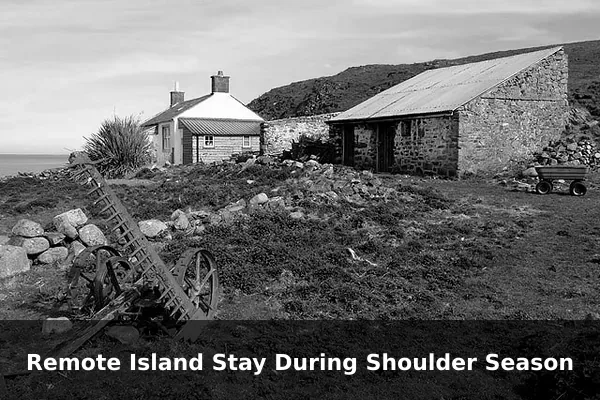
A remote island in shoulder season is tempting because it promises beauty without the peak-season crowds, and that quieter window can genuinely be the best time to go. The catch is that the same off-peak calm often comes with thinner ferry schedules, reduced services, and weather that can change quickly, so a place that looks idyllic in photos can become impractical to reach or leave. The real value lies in choosing weeks within the shoulder season that still have reliable transport and open services rather than gambling on the quietest possible dates.
Before committing, confirm ferry or flight frequency, cancellation policies, and a realistic backup accommodation in case you are delayed or stranded by conditions. Check which restaurants, clinics, and shops actually stay open in that period, since limited services affect food, medical access, and basic supplies on a small island. Prices vary by lodging, ferry or flight route, and seasonal demand, so budget for the possibility of an extra night or a changed plan rather than assuming everything will run exactly on schedule.
Travel tip: Confirm ferry or flight frequency, cancellation policies, and backup accommodation before committing.
Best time to visit: Shoulder season can be good for lower crowds, but choose weeks with reliable transport and open services.
Ticket price: Prices vary by lodging, ferry or flight route, and seasonal demand.
Guided Wildlife Excursion

A guided wildlife excursion can be the highlight of a trip, but its true worth is decided by safety standards, ethics, and operator quality far more than by the lowest advertised price. A cut-rate tour that crowds animals, ignores distance rules, or skips a proper briefing puts both you and the wildlife at risk, while a responsible operator turns the same encounter into something safe and genuinely memorable. Treat the choice as a decision about how the experience is run, not just what it costs.
Choose licensed operators who give clear safety briefings, maintain sensible distance rules, and follow responsible wildlife-viewing practices that prioritize the animals’ wellbeing. Early morning or late afternoon often brings better wildlife activity and cooler, more comfortable conditions, so look for tours scheduled around those windows. Prices vary by destination, guide credentials, group size, permits, and conservation fees, and a higher fee that funds proper guiding and habitat protection is usually a sign of quality rather than an upsell to avoid.
Travel tip: Choose licensed operators with clear safety briefings, distance rules, and responsible wildlife-viewing practices.
Best time to visit: Early morning or late afternoon often gives better wildlife activity and cooler conditions.
Ticket price: Prices vary by destination, guide credentials, group size, permits, and conservation fees.
High-Altitude Mountain Day Trip

A high-altitude mountain day trip rewards travelers with dramatic scenery, but the smart decision starts with health, acclimatization, weather, and an honest read of your own physical limits. Altitude can affect even fit people, and conditions can shift fast, so a trip that looks like a simple day out deserves the same caution you would give a more obviously demanding adventure. Booking responsibly here means matching the route to your body and the forecast, not just to the calendar.
Check the altitude gain, cancellation rules, relevant medical guidance, and whether the operator carries emergency equipment before you commit. Dry-season mornings are usually best, and an earlier departure helps you avoid the afternoon weather changes that often roll in over high ground. Prices vary by guide, permits, transport, gear rental, and park fees, so compare what is actually included; an operator who invests in safety gear and clear medical advice offers value that a bare-bones price simply cannot.
Travel tip: Check altitude gain, cancellation rules, medical guidance, and whether the operator carries emergency equipment.
Best time to visit: Dry-season mornings are usually best, with earlier departures to avoid afternoon weather changes.
Ticket price: Prices vary by guide, permits, transport, gear rental, and park fees.
Major Museum or Landmark With Timed Entry

A flagship museum or landmark with timed entry is often the anchor of a city trip, holding collections or architecture you cannot see anywhere else. Because slots are fixed, it also exposes how fragile a loose itinerary can be: one missed window can quietly consume a morning you cannot get back, especially on a short trip where days are scarce.
Visitors can study the headline galleries or viewpoints, but the real value is in pacing the visit around your reserved slot and checking the official site for closures, free-entry days, or last-admission rules. Treat the booking confirmation as a fixed point and build the surrounding plan around it, rather than assuming you can drift in whenever you arrive.
Travel tip: Book official timed tickets early and avoid third-party markups unless the reseller adds real value.
Best time to visit: Weekday mornings or the final entry window often have lighter crowds, depending on the site.
Ticket price: Ticket prices vary; some museums offer free-entry days, resident discounts, or timed-entry fees.
Popular Street Food District
A lively street food district concentrates a city’s flavors, prices, and social rhythm into a few walkable blocks, making it one of the most rewarding and affordable ways to understand a place. It is also where small, unplanned choices about hygiene, allergies, and timing can shape whether the experience delights you or leaves you unwell.
Here you can watch how dishes are cooked, gauge turnover at each stall, and notice how locals pay, queue, and eat. Paying attention to clean preparation, ingredient questions for any allergies, and accepted payment methods turns a casual graze into a confident one, without draining the spontaneity that makes the district worth visiting.
Travel tip: Carry small cash where appropriate, note allergy phrases in the local language, and choose busy stalls with high turnover.
Best time to visit: Early evening is often best, after vendors are fully set up but before peak dining crowds.
Ticket price: No entry ticket; food prices vary by city, stall, and portion size.
Self-Drive Road Trip Across Regions
A self-drive road trip across regions offers a freedom that fixed tours cannot match, letting you reach quiet valleys, coastlines, and towns on your own schedule. That freedom, however, carries hidden costs: rental terms, insurance gaps, fuel access, tolls, and driver fatigue all shape what the journey truly costs in money and risk.
On the road you can adjust your route, stop where the scenery invites it, and cover ground that public transport ignores. The decisions that matter most happen before you set off—reading the rental exclusions, deposit and fuel policies, cross-border rules, and local road laws—so that the open road stays a pleasure rather than an expensive surprise.
Travel tip: Read rental exclusions, border rules, deposit requirements, fuel policy, toll systems, and parking conditions before booking.
Best time to visit: Daylight driving hours in dry weather are best, especially on unfamiliar rural or mountain roads.
Ticket price: Prices vary by vehicle class, insurance, mileage, fuel, tolls, parking, and one-way fees.
Festival or Major Event Weekend
Timing a trip around a festival or major event can transform an ordinary destination, adding music, ritual, and a sense of shared occasion you would never find on a quiet weekend. The same timing that lifts the atmosphere also tightens availability and pushes up prices for lodging, transport, and tickets, so the upside and the cost rise together.
During the event you can join the crowds, follow the program, and see a city at its most expressive. The smartest preparation is logistical: confirming official dates, booking refundable lodging early, and checking for transport changes and crowd-control measures, so the celebration does not collapse into queues, sold-out rooms, and missed connections.
Travel tip: Book refundable lodging early and confirm official event dates, transport changes, and crowd-control rules.
Best time to visit: Arrive one day before the main event to handle check-in, route changes, and local orientation.
Ticket price: Event tickets may be free or paid; prices vary by organizer, seating, access level, and demand.
Beach Resort Stay in Rainy Season
A beach resort can be a genuine bargain outside peak months, with lower rates and fewer crowds making the same room far more affordable. Those off-season deals often coincide with the rainy season, when discounted prices can quietly mask tradeoffs in weather, sea conditions, and the range of activities actually available during your stay.
At the resort you can still enjoy the setting, but it pays to notice how much depends on the sky: swimming safety, excursion schedules, and whether indoor options exist for wet afternoons. Checking seasonal weather patterns, water-safety guidance, and cancellation terms before booking helps you judge whether a low price reflects real value or a gamble on the forecast.
Travel tip: Check seasonal weather patterns, swimming safety, cancellation terms, and whether indoor activities are available.
Best time to visit: Choose early dry season or late shoulder season for a balance of better weather and moderate crowds.
Ticket price: No public beach ticket in many destinations; resort prices vary by season, room type, and inclusions.
Official references
- U.S. Department of State International Travel Checklist – Authoritative checklist for destination research, documents, STEP enrollment, safety preparation, and travel insurance decisions.
- U.S. Department of State Travel Advisories – Primary source for current destination risk levels and security precautions before choosing where to travel.
- CDC Travelers' Health – Official destination-specific health guidance, vaccine recommendations, and travel health notices.
- World Health Organization Travel and Health – International public health guidance on travel risks, preparation, medications, insurance, and health precautions.
- U.S. Department of Transportation Aviation Consumer Protection – Primary U.S. source for airline consumer rights, refunds, cancellations, delays, baggage, and complaints.