

Planning a trip raises a long list of practical questions, from passport timing and visa rules to vaccinations, currency, and what to do if a flight is cancelled. The answers can shift depending on your nationality, destination, and the season, so it helps to know which official sources to check and which habits keep journeys smoother regardless of where you are headed.
This guide gathers the questions travelers ask most often and pairs each one with a clear, cautious answer anchored to recognized authorities such as the U.S. Department of State, the CDC, the WHO, IATA, and the UK Foreign Office. Treat the details as a starting point rather than a final ruling, since entry requirements, advisories, and prices change frequently and should always be reconfirmed close to your departure date.
How Early Should You Apply for or Renew a Passport?

Passport timing is one of the most overlooked parts of trip planning, yet it can quietly derail an otherwise well-organized itinerary. Applying early matters because routine processing windows shift with demand, and many destinations enforce a six-month validity rule that can turn a valid-looking passport into a boarding denial at check-in.
Travelers can verify current processing times directly with their issuing authority, such as the U.S. Department of State for American citizens, and review the destination’s validity requirements through the IATA Travel Centre. Inspect the expiration date, blank visa pages, and the condition of the photo page well before booking, and consider expedited or in-person appointment options if the departure date is approaching.
Travel tip: Check that your passport has at least six months of validity beyond your return date, since many destinations refuse entry otherwise.
Best time to visit: Apply at least three to six months before travel; expedited services may be available for urgent cases.
Ticket price: Fees vary by country and service type; check the issuing authority for current rates.
Do You Need a Visa, and How Do You Confirm Entry Requirements?
Visa rules change frequently and depend on a traveler’s nationality, purpose of visit, and length of stay, which is why third-party blog posts and outdated forum threads are unreliable. Confirming requirements through authoritative channels protects travelers from denied boarding, fines, or being turned away at the border on arrival.
Cross-check the destination’s official immigration or foreign ministry website alongside the IATA Travel Centre, which airlines themselves consult before issuing boarding passes. Travelers can also review country pages from the U.S. Department of State or the UK Foreign, Commonwealth & Development Office to understand whether an eVisa, visa on arrival, or full consular application is needed, and to estimate realistic processing windows.
Travel tip: Cross-check requirements on the destination's official immigration site and the IATA Travel Centre before booking flights.
Best time to visit: Begin checks as soon as dates are set; some eVisas process in days while consular visas may take weeks.
Ticket price: Visa fees vary widely by nationality and destination; prices vary.
Which Vaccinations and Health Preparations Are Recommended?

Health preparation is destination-specific, and the right combination of routine, recommended, and required vaccines depends on the region, season, planned activities, and a traveler’s medical history. Starting early gives time for multi-dose series, allows the body to build immunity before departure, and leaves room to source any prescriptions or preventive medications.
Travelers can consult the CDC Travelers’ Health pages and the World Health Organization’s international travel and health guidance for current, country-specific recommendations. A travel health clinic can review personal risk factors, advise on items like malaria prophylaxis or altitude medication, and confirm whether yellow fever certification is required for entry into or transit through certain countries.
Travel tip: Book a travel health consultation four to eight weeks before departure to allow time for any multi-dose vaccines.
Best time to visit: Schedule advice four to eight weeks pre-trip; same-week appointments still help for last-minute travelers.
Ticket price: Costs vary by clinic, vaccine, and insurance coverage; prices vary.
Is Travel Insurance Worth It and What Should It Cover?
Travel insurance is most valuable for the scenarios that are hardest to absorb out of pocket, such as emergency medical treatment abroad, medical evacuation, and the cancellation of nonrefundable bookings. Because domestic health plans often provide limited or no coverage outside the home country, a dedicated travel policy can fill the gap during the trip window.
Read the policy summary closely for coverage limits, deductibles, and exclusions related to pre-existing conditions, adventure sports, and high-risk destinations flagged by advisories such as those from the U.S. Department of State or the UK Foreign, Commonwealth & Development Office. Confirm that medical evacuation limits are realistic for the region, and verify that planned activities like diving, skiing, or trekking are included rather than excluded as hazardous.
Travel tip: Confirm that the policy covers medical evacuation and any adventure activities you plan, such as diving or skiing.
Best time to visit: Purchase soon after booking to maximize cancellation coverage windows.
Ticket price: Typically a small percentage of total trip cost; prices vary by age, destination, and coverage.
How Do You Check Travel Advisories and Safety Alerts?
Government travel advisories consolidate intelligence on crime, civil unrest, natural disasters, and health outbreaks into a single, regularly updated resource. Relying on them, rather than on social media chatter, gives travelers a more measured view of conditions on the ground and any recent changes that might affect specific regions within a country.
Review country-level guidance from the U.S. Department of State and the UK Foreign, Commonwealth & Development Office, and cross-reference health-specific alerts from the CDC and the World Health Organization. Travelers can enroll in their home country’s traveler program, such as STEP for U.S. citizens, to receive updates while abroad, and should recheck advisories within a week of departure since conditions can shift quickly.
Travel tip: Enroll in your home country's traveler program, such as STEP for U.S. citizens, to receive updates while abroad.
Best time to visit: Review advisories during planning and again within a week of departure.
Ticket price: Free to access through official government sites.
What Is the Best Way to Handle Money and Currency Abroad?

Managing money well abroad protects your budget from hidden fees and keeps you covered when one payment method fails. A balanced mix of debit cards, a backup credit card, modest cash reserves, and a digital wallet gives you flexibility across markets, taxis, restaurants, and remote areas where card acceptance may be limited or unreliable.
Travelers can compare conversion rates between bank ATMs, currency exchange counters, and card-based purchases, which often differ noticeably. Many destinations now accept contactless and mobile wallet payments, while small vendors, rural transport, and tipping situations may still require local cash drawn from reputable ATMs.
Travel tip: Carry at least two payment methods stored separately and notify your bank of travel dates to prevent card blocks.
Best time to visit: Exchange a small amount of local currency before arrival; withdraw the rest from reputable ATMs on the ground.
Ticket price: Exchange rates and ATM fees vary; compare options before relying on airport kiosks.
What Are Your Rights If a Flight Is Delayed or Cancelled?

Understanding passenger rights matters because protections vary widely by jurisdiction, airline policy, and fare type. Regions such as the European Union, the United Kingdom, and Canada have established frameworks that may entitle travelers to rebooking, meals, accommodation, or monetary compensation, while rules in other regions can be more limited or carrier-specific.
Travelers can request written confirmation of the disruption cause, ask about duty-of-care provisions like meals or hotels, and submit a formal claim through the airline’s customer relations channel. Reviewing your ticket’s conditions of carriage and any applicable consumer protection authority guidance helps clarify what compensation may realistically apply.
Travel tip: Save boarding passes, receipts, and written confirmations of disruption to support refund or compensation claims.
Best time to visit: File claims promptly; many jurisdictions have strict deadlines, sometimes within weeks of the incident.
Ticket price: Compensation amounts depend on jurisdiction and distance; prices vary.
How Do You Pack Smart and Stay Within Airline Baggage Rules?
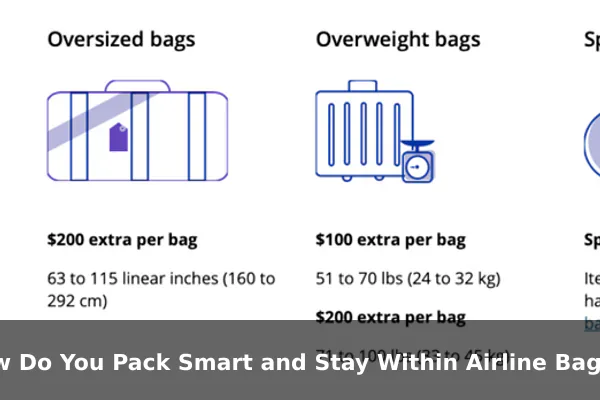
Smart packing saves money on excess baggage charges and reduces stress at check-in, where rules on weight, dimensions, and prohibited items are strictly enforced. Each airline publishes its own allowances by route and fare class, so reviewing those specifics before departure is more reliable than assuming standard limits apply everywhere.
Travelers can build a versatile capsule wardrobe, use packing cubes to compress clothing, and review restricted-item lists for liquids, batteries, and sharp objects. Carry-on essentials such as medications, travel documents, chargers, and a change of clothes provide a safety net if checked luggage is delayed or misrouted.
Travel tip: Weigh checked bags at home and place medications, documents, and a change of clothes in your carry-on.
Best time to visit: Pack one to two days before departure to allow time to remove restricted or unnecessary items.
Ticket price: Baggage fees vary by airline, route, and fare class; check your carrier's site for current charges.
How Can You Stay Connected With Roaming, eSIMs, and Wi-Fi?

Reliable connectivity abroad supports navigation, translation, rideshare bookings, and emergency contact, so choosing the right option before you travel can prevent expensive surprises. International roaming add-ons, local prepaid SIMs, and eSIM data plans each suit different trip lengths, device compatibility levels, and data needs.
Travelers can compare carrier roaming bundles against eSIM providers that activate on arrival without changing physical cards. Public Wi-Fi at airports, cafes, and hotels remains useful for low-risk browsing, while sensitive activities such as banking are safer over a trusted VPN or a personal mobile data connection.
Travel tip: Set up an eSIM or buy a local SIM on arrival, and use a trusted VPN when connecting to public hotspots.
Best time to visit: Activate connectivity before leaving the airport so navigation and rideshare apps work immediately.
Ticket price: Plans range from a few dollars for short-term data to higher rates for unlimited roaming; prices vary.
What Should You Do in a Travel Emergency Abroad?
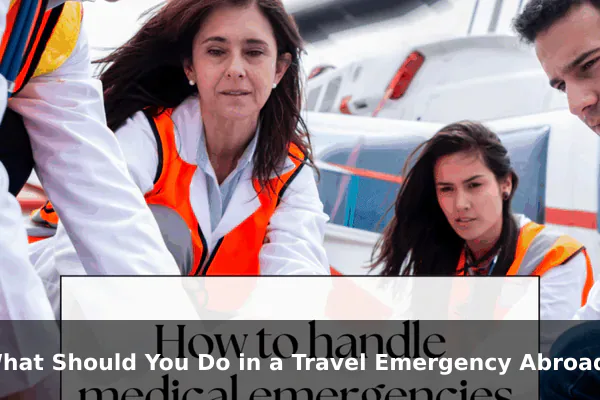
Knowing how to respond to a travel emergency can make a meaningful difference during medical incidents, theft, accidents, or lost passports. Embassies and consulates provide consular assistance to their citizens, while local emergency services handle immediate medical, fire, and police response, and each plays a distinct role you should understand before you need them.
Travelers can contact their embassy for help replacing stolen passports, locating English-speaking medical providers, or reaching family during crises. Reviewing official travel advisories from sources such as the U.S. Department of State or the UK Foreign, Commonwealth & Development Office, and keeping insurance documents accessible, supports a calmer, more coordinated response.
Travel tip: Save your embassy's contact details, local emergency numbers, and your insurer's assistance line offline on your phone.
Best time to visit: Act immediately; many embassies offer emergency assistance outside normal hours for citizens in distress.
Ticket price: Embassy assistance is generally free, though replacement documents and medical care carry their own fees; prices vary.
Official references
- U.S. Department of State – Travel – Primary source for U.S. passport, visa requirements, and country-specific travel advisories
- CDC Travelers' Health – Official U.S. health authority guidance on vaccinations, disease outbreaks, and destination-specific health recommendations
- World Health Organization – International Travel and Health – International authority on travel-related health risks, vaccination requirements, and disease prevention
- International Air Transport Association (IATA) Travel Centre – Authoritative source for passport, visa, and health regulations used by airlines worldwide
- UK Foreign, Commonwealth & Development Office – Foreign Travel Advice – Official UK government travel advisories covering safety, entry requirements, and local laws by country
