
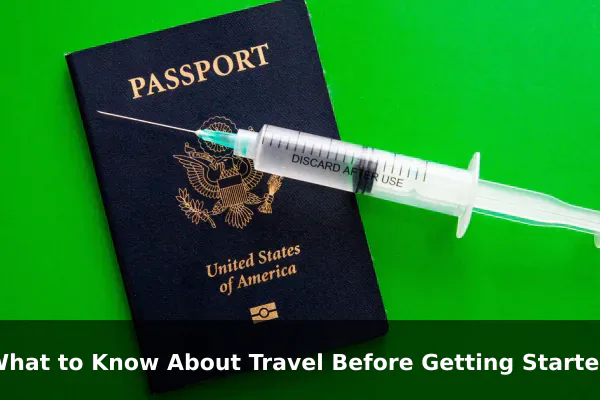
Planning your first trip can feel overwhelming, but most of the work happens long before you reach the airport. Getting the essentials right early, from valid travel documents to health preparation and a realistic budget, removes much of the stress and lets you focus on the experience itself. This guide walks through the practical foundations every new traveler should understand before booking anything.
Rather than listing destinations, the sections below cover the core pre-trip experiences that shape a smooth journey. Each one points you toward official sources for rules that change often, such as passports, visas, vaccinations, and airport security, so you can verify the latest requirements for your specific situation. Treat dates, fees, and regulations here as starting points to confirm, not fixed facts.
Applying for Your First Passport
A passport is the single document that turns an international trip from an idea into a real possibility, since nearly every border crossing depends on it. Treating the application as your very first step matters because processing can take weeks, and a delay here can quietly unravel every other booking you make.
You can begin by gathering proof of citizenship, identity documents, and a compliant photo, then submitting through your government’s official passport service. U.S. travelers can confirm current requirements, fees, and processing times at travel.state.gov, and should note the widely enforced rule that a passport stay valid for at least six months beyond the travel dates.
Travel tip: Apply well in advance and check that your passport will stay valid for at least six months beyond your travel dates, a rule many countries enforce.
Best time to visit: Begin the process at least 3 to 6 months before travel; most passport offices operate standard business hours on weekdays.
Ticket price: Application and processing fees vary by country and processing speed; confirm current amounts on your government's official passport service (see travel.state.gov for U.S. travelers).
Researching Visa Requirements for Your Destination
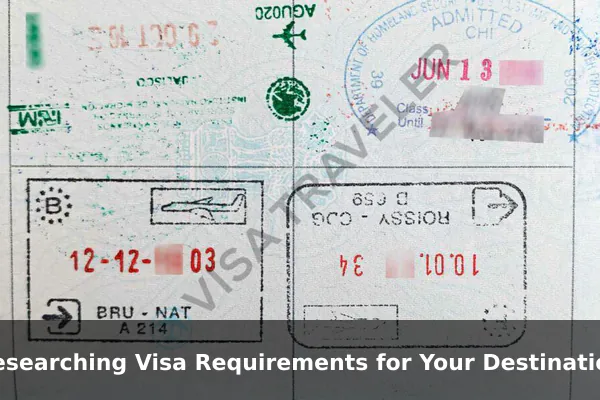
Visa rules decide whether you can even enter a country, so checking them early protects you from booking a trip you are not yet permitted to take. Requirements differ sharply by destination and by your nationality, ranging from full visas to simple e-visas or visa-free entry for short stays.
As soon as you choose a destination, you can verify the rules through the official embassy or consulate, then reconfirm a few weeks before departure since policies change. An authoritative tool like the IATA Travel Centre lets you match requirements to your specific passport and trip purpose, which is far more reliable than advice from online forums.
Travel tip: Verify requirements against your specific nationality and trip purpose using an authoritative tool like the IATA Travel Centre rather than relying on forums.
Best time to visit: Check as soon as you pick a destination and reconfirm a few weeks before departure, since rules can change.
Ticket price: Visa fees range widely or may be free for short visa-free stays; confirm exact costs through the destination's official embassy or consulate.
Scheduling Pre-Travel Vaccinations and Health Checks
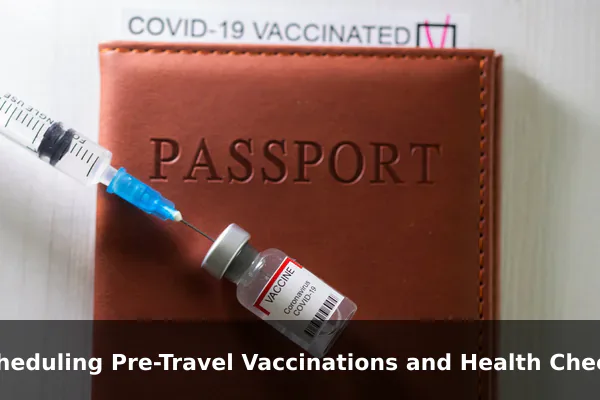
Your destination may carry health risks that your home country does not, and some places require proof of certain vaccinations before they let you in. Preparing your health early is worthwhile because protection often depends on timing rather than a last-minute appointment.
A travel health visit lets a clinician review destination-specific notices from sources like the CDC and WHO and recommend the right vaccines or medications for you. Booking four to eight weeks ahead gives multi-dose courses time to take full effect, and it also leaves room to discuss any existing conditions before you fly.
Travel tip: Book a travel health appointment early, as some vaccines need multiple doses or weeks to become effective; review CDC and WHO destination notices first.
Best time to visit: Ideally 4 to 8 weeks before departure to allow time for vaccine courses to take effect.
Ticket price: Costs depend on the vaccines and clinic; some are covered by insurance while others are out-of-pocket, so prices vary.
Booking Your First International Flight

The flight is usually the largest single cost of a first trip and shapes how smoothly the journey begins, which makes thoughtful booking genuinely worthwhile. Understanding fare types, layovers, and baggage rules up front helps you avoid surprises that can turn a cheap-looking ticket into an expensive one.
You can compare routes and fares across several weeks or months, watching how price shifts with season and demand before committing. Look closely at the total cost including baggage and seat selection, favor less crowded midweek departures when possible, and confirm that the name on your ticket matches your passport exactly.
Travel tip: Compare total cost including baggage and seat fees, and double-check that names on your ticket exactly match your passport.
Best time to visit: Booking several weeks to a few months ahead often gives better fares; midweek departures can be less crowded.
Ticket price: Airfare varies greatly by route, season, and demand; prices vary, so set a budget and track fares before committing.
Buying Travel Insurance Before Departure

Travel insurance is the safety net that keeps a medical emergency, a cancelled trip, or lost belongings from becoming a financial disaster far from home. For a first international journey, where the unfamiliar is part of the experience, that protection is especially worth having in place.
You can buy a policy soon after booking so that trip-cancellation coverage applies as early as possible, then compare a few reputable providers for price and protection. Before purchasing, read the coverage limits and exclusions carefully, paying particular attention to medical care abroad and any specific activities you plan to do.
Travel tip: Read the policy's coverage limits and exclusions carefully, especially for medical care and any activities you plan, before purchasing.
Best time to visit: Purchase soon after booking your trip so cancellation coverage applies as early as possible.
Ticket price: Premiums depend on age, destination, trip length, and coverage level; prices vary, so compare a few reputable providers.
Packing a Carry-On That Clears Airport Security
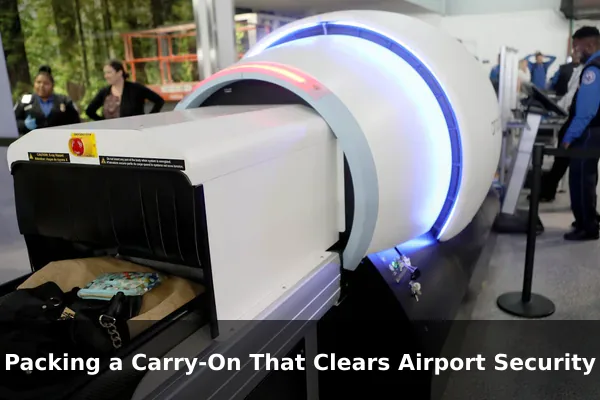
A well-packed carry-on is worth the effort because it keeps your essentials with you, saves time at baggage claim, and helps you avoid the delays that come from a bag being pulled aside for a second look. Getting it right before you reach the checkpoint means the screening process becomes a formality rather than a stressful scramble.
As you pack, separate your liquids into the small containers allowed under current rules and keep larger electronics where you can lift them out quickly for the bin. Check your airline’s size and weight limits and review the latest prohibited-items guidance on the TSA website, since allowances and fees differ between carriers and can change over time.
Travel tip: Follow the liquids rule for containers and keep electronics easy to remove; review the latest prohibited-items list on the TSA website before packing.
Best time to visit: Pack a day before departure so you can adjust after a final rules check.
Ticket price: No cost to pack, though airlines may charge for additional or oversized bags; baggage fees vary by carrier.
Setting Up Travel Money and Cards Abroad
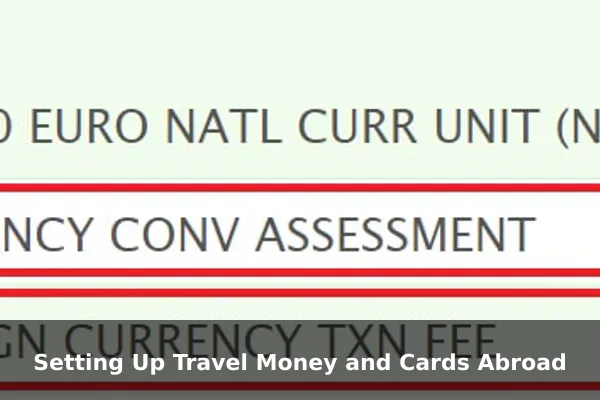
Sorting out how you will pay before you leave matters because losing access to your money abroad is one of the most disruptive problems a traveler can face. Having both cash and reliable card payments arranged in advance gives you a safety net if one method fails or is not accepted where you are headed.
Before departure, notify your bank of your travel dates, pack a backup card stored separately from your primary one, and learn how foreign-transaction and ATM fees apply to your accounts. Compare exchange rates from different providers rather than relying on airport counters, and confirm whether your cards work on the local payment networks at your destination.
Travel tip: Notify your bank of travel dates, carry a backup card, and understand foreign-transaction and ATM fees before you go.
Best time to visit: Set this up a week or two before departure to allow time for any new cards to arrive.
Ticket price: Currency exchange and card fees vary by provider; compare rates rather than relying on airport exchange counters.
Navigating Your First Airport Security Screening
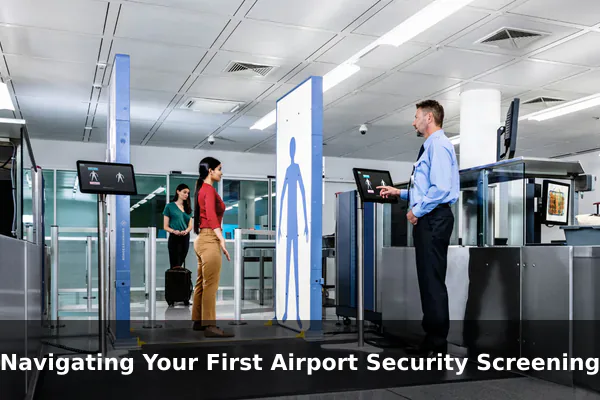
Understanding the security checkpoint ahead of time is valuable because the unknown is what makes a first screening feel intimidating. When you know the general sequence of steps, you can move through calmly, keep your belongings organized, and avoid holding up the line behind you.
At the checkpoint, have your boarding pass and identification ready, place your bags and listed items on the belt as directed, and follow the officers’ instructions without hesitation. Allow plenty of time before your flight and consult the TSA website for current screening procedures, as requirements and any optional expedited programs can vary.
Travel tip: Arrive early, have your boarding pass and ID ready, and follow officer instructions; consult the TSA site for current screening procedures.
Best time to visit: Arrive at the airport at least 2 to 3 hours before an international flight to allow for lines.
Ticket price: Standard screening is free; optional expedited programs carry an enrollment fee that varies.
Checking Official Travel Advisories for Safety
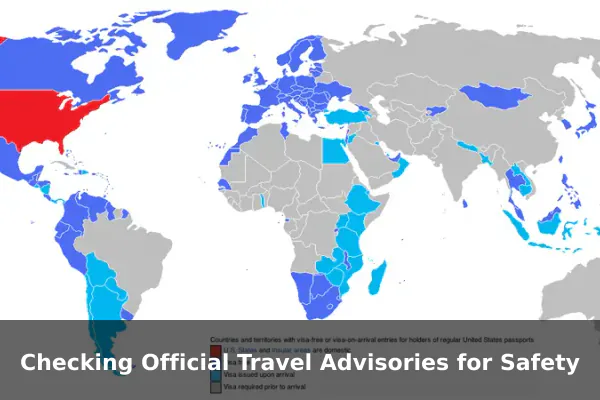
Consulting official travel advisories is worthwhile because they draw on government assessments of local conditions that you cannot easily judge from afar. Relying on authoritative guidance rather than rumor or outdated articles helps you make informed decisions about where and when to go.
Review your government’s advisory level for your destination when you first plan the trip and again shortly before you leave, since conditions and ratings can change at any time. Sources such as travel.state.gov publish this information at no cost, and many offer a traveler notification program you can register for so you receive updates while abroad.
Travel tip: Review your government's advisory level and register for any traveler notification program before you leave home.
Best time to visit: Check when planning and again shortly before departure, as advisories can update at any time.
Ticket price: Free; advisories are published by official sources such as travel.state.gov at no cost.
Arranging Airport-to-City Transport on Arrival
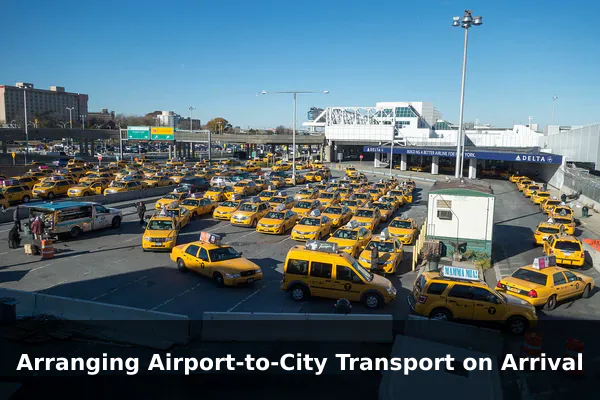
Planning how you will reach your accommodation before you land is important because arriving tired in an unfamiliar place is exactly when costly mistakes and unsafe choices happen. Knowing your route in advance lets you head straight to a trusted option instead of improvising among unfamiliar offers at the terminal.
Research official taxi stands, ride-hailing availability, and public transit routes for your destination ahead of time, and check official or estimated fares so you recognize a fair price. Keep your accommodation address written down or saved offline, and where possible aim for a daytime arrival, which is generally easier for first-time travelers finding their way.
Travel tip: Research official taxi stands, ride-hailing, or public transit options in advance and have your accommodation address written down or saved offline.
Best time to visit: Plan before departure; daytime arrivals are generally easier for first-time travelers navigating a new city.
Ticket price: Costs depend on the city and mode of transport; prices vary, so check official transit fares or estimated fares ahead of time.
Official references
- U.S. Department of State – Travel Advisories – Authoritative source for passports, visas, country-specific travel advisories, and safety information for travelers.
- Centers for Disease Control and Prevention – Travelers' Health – Official destination-specific health notices, vaccination requirements, and disease-prevention guidance for international travel.
- World Health Organization – International Travel and Health – International authority on health requirements, vaccinations, and health risks associated with global travel.
- Transportation Security Administration (TSA) – Official rules on airport security, carry-on and checked baggage, prohibited items, and screening procedures.
- International Air Transport Association (IATA) – Travel Centre – Authoritative passport, visa, and health document requirements by country used by airlines worldwide.
