

A clear travel plan starts with choosing the experiences that will shape each day, then building the practical details around them. Instead of collecting random recommendations, travelers can use a simple framework: confirm entry needs, map arrival logistics, reserve high-demand activities, protect rest time, and leave room for local discovery.
This article plan uses specific travel experiences as planning anchors, showing how a trip can move from a blank page to a realistic itinerary. It keeps official document, health, airport security, and air-passenger guidance in view while focusing on flexible choices that work across many destinations.
Airport Arrival and First Transfer
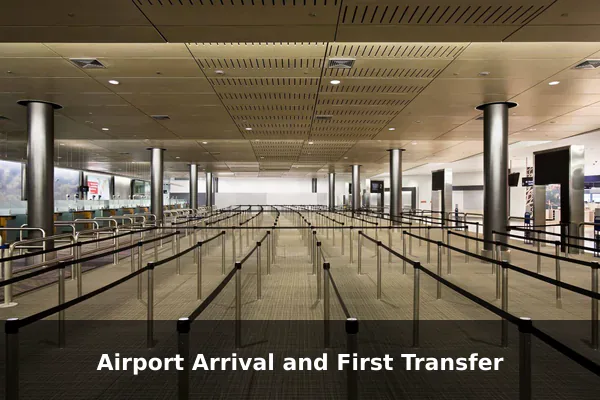
The first transfer from the airport sets the tone for the entire trip, turning a stressful arrival into a manageable start. Choosing the right option in advance protects against jet lag, late-night confusion, and unexpected costs that can derail a fresh itinerary.
Travelers can compare airport trains, official shuttles, licensed taxis, and rideshare pickup points using the airport’s transport page, then note the platform, terminal exit, and approximate travel time. Saving a screenshot of the route and the hotel address in the local language helps if mobile data is limited on arrival.
Travel tip: Check the airport's official transport page before choosing between train, taxi, shuttle, or rideshare, and save the route offline.
Best time to visit: Best planned before booking flights; arrival is easiest during daylight or early evening hours.
Ticket price: Prices vary by city and transport type; airport trains and shuttles are often cheaper than taxis.
First-Night Neighborhood Walk

A short walk near the hotel on the first evening grounds travelers in the new city without demanding energy they may not have after a long flight. It also reveals which essentials sit within easy reach, which shapes every following day of the trip.
Visitors can map a simple loop that passes a small grocery or convenience store, a pharmacy, a transit stop, and one or two casual food options. Noting opening hours, lighting, and the safest crosswalks makes later returns after dinner or evening sightseeing much smoother.
Travel tip: Choose a short, well-lit walking route with food, pharmacy, and transit stops nearby, especially after a long flight.
Best time to visit: Best on the arrival evening before 9:00 p.m., or the next morning if the flight lands late.
Ticket price: Usually free, excluding food, drinks, or local transport.
Timed-Entry Landmark Visit

One booked landmark gives the itinerary a fixed anchor and reduces the risk of arriving at a major site only to find it sold out or closed. Building the day around this slot makes surrounding meals, transit, and rest stops easier to plan with confidence.
Travelers can review the official site for entry windows, security rules, bag limits, and accessibility notes before booking, then arrive early enough to clear queues without rushing. Keeping the confirmation, map, and any required ID screenshots available offline avoids last-minute issues at the entrance.
Travel tip: Book directly through the official attraction website when possible, and keep the confirmation available offline.
Best time to visit: Best on a weekday morning, often in the first entry window to reduce crowds.
Ticket price: Prices vary by attraction, season, age, and ticket type; official websites should be checked before booking.
Local Public Transit Test Ride

A short practice ride on the city’s metro, bus, or tram removes much of the friction that slows travelers down later in the trip. Learning the system on a calm, unhurried day builds confidence before depending on it for tight connections or longer excursions.
Visitors can pick one straightforward route, observe how fares are paid, how stops are announced, and how transfers work between lines. Noting service hours, ticket validity, and any tourist day-pass options helps shape realistic daily schedules without overpaying for individual rides.
Travel tip: Take one simple route with no tight deadline, then note the payment method, platform signs, and last-service times.
Best time to visit: Best outside rush hour, usually mid-morning or mid-afternoon on the first full day.
Ticket price: Single-ride fares vary by city; day passes may be better value for several trips.
Central Market Food Stop

A central market is one of the fastest ways to understand a destination’s food culture, seasonal produce, and everyday pricing. It also helps frame meal planning for the rest of the trip by showing which local specialties are worth seeking out at sit-down restaurants later.
Travelers can sample small portions from a few stalls, compare prices for similar items, and note which neighborhoods nearby are busiest at lunch. Carrying small bills and a backup card avoids awkward pauses at family-run stands that may not accept mobile or international payments.
Travel tip: Bring a small amount of local currency or a backup card because smaller vendors may not accept every payment method.
Best time to visit: Best in the morning or at lunch, when stalls are active and fresh items are available.
Ticket price: Entry is usually free; food prices vary by vendor and destination.
Museum or Indoor Backup Plan
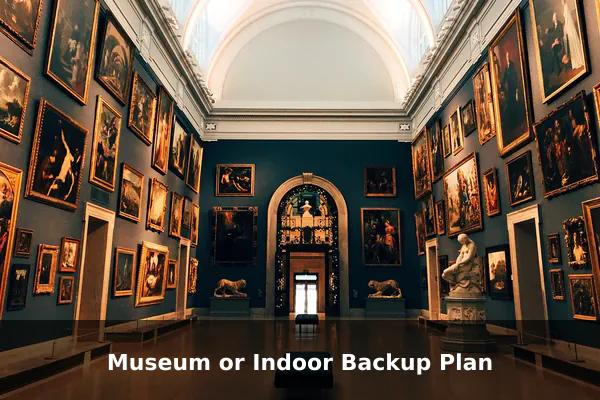
A museum or indoor venue is worth including because weather rarely follows an itinerary, and a single rainy or heat-heavy afternoon can otherwise erase an entire planned day. Building in one reliable indoor anchor protects the rhythm of the trip and gives travelers a low-stress fallback that still feels meaningful rather than improvised.
Visitors can use the time to study permanent collections, rotating exhibitions, or interactive displays, and many larger institutions offer cloakrooms, cafes, and quiet seating that help reset energy levels. Checking the venue’s official website in advance for timed-entry rules, closed galleries, and accessibility notes helps confirm the visit will work as a true backup option.
Travel tip: Choose an indoor attraction near other planned stops so it can replace an outdoor activity without major rerouting.
Best time to visit: Best kept flexible for poor-weather afternoons; weekday visits are often calmer.
Ticket price: Some museums are free, while others charge admission or require timed tickets; prices vary.
Guided Walking Tour
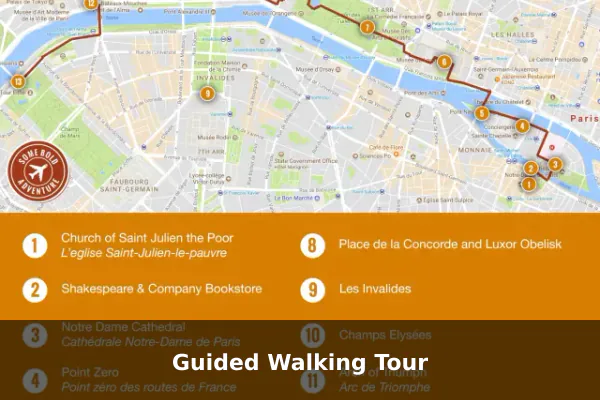
A guided walking tour early in the trip is valuable because it compresses orientation, history, and practical safety context into a single block of time. Travelers leave with a clearer sense of neighborhood boundaries, transit landmarks, and cultural norms, which makes every later decision about routes, dining, and pacing noticeably easier.
On the tour, visitors can observe how locals navigate crossings and markets, ask the guide about lesser-known stops, and note details like restroom access or shaded rest points for future days. Confirming the route length, language, and any indoor stops in advance helps match the tour to the group’s stamina and interests.
Travel tip: Pick licensed or well-reviewed guides, confirm meeting points, and wear shoes suitable for uneven pavement.
Best time to visit: Best on the first or second full day, usually morning or late afternoon for better walking conditions.
Ticket price: Prices vary; free-to-join tours usually expect tips, while private tours cost more.
Scenic Viewpoint at Golden Hour

A scenic viewpoint anchors the itinerary around a predictable, high-value moment that travelers tend to remember long after the trip ends. Planning one sunset stop also forces useful decisions about transport timing, dinner placement, and which day offers the clearest forecast, which strengthens the overall schedule.
At the viewpoint, visitors can frame wide cityscapes or natural panoramas, watch how light shifts across landmarks, and identify orientation cues that help with navigation on later days. Reviewing official site rules about tripods, drones, and last-entry times prevents surprises and keeps the visit calm rather than rushed.
Travel tip: Check official opening hours and last-entry rules, and arrive early enough to find the entrance without rushing.
Best time to visit: Best 45-60 minutes before sunset, with a backup date if weather blocks the view.
Ticket price: Outdoor viewpoints may be free; towers, cable cars, and observation decks usually charge varying admission.
Simple Day Trip by Train or Ferry
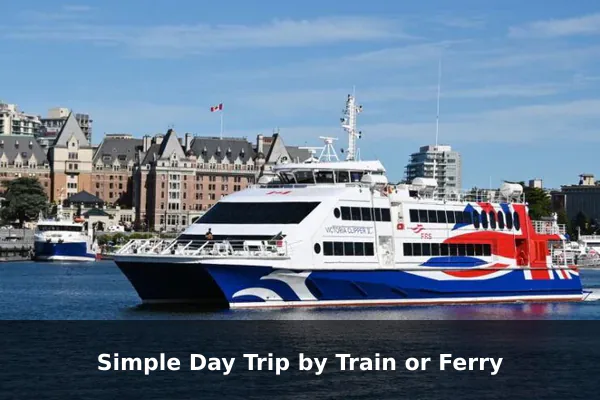
A single day trip by train or ferry is worth planning because it stress-tests the itinerary’s flexibility without committing to a full relocation. It also lets travelers experience a contrasting landscape, smaller town, or coastal setting that broadens the trip’s character beyond the main base.
On the day trip, visitors can compare regional food, observe how transit connections work in practice, and note details such as platform changes, ferry boarding cutoffs, and ticket validation steps. Confirming schedules, seat-reservation policies, and return-leg availability on the official operator’s website reduces the risk of a missed connection.
Travel tip: Compare the last return departure, seat-reservation rules, and cancellation terms before committing to the day trip.
Best time to visit: Best mid-trip, after travelers understand local transport but before the final packing day.
Ticket price: Prices vary widely by distance, operator, season, and advance-purchase rules.
Departure-Morning Buffer Experience

A short, nearby activity on departure morning is worth scheduling because it absorbs unexpected delays from packing, checkout queues, traffic, or security wait times. It also gives the trip a calmer closing note instead of a stressful sprint toward the airport or station.
Travelers can use the buffer for a relaxed cafe stop, a short waterfront or park walk, or a quick visit to a nearby shop for last-minute gifts, while keeping luggage in a hotel hold or verified storage locker. Checking official airline check-in windows and airport security guidance in advance helps set a realistic cutoff time for the activity.
Travel tip: Choose a cafe, park, waterfront walk, or small shop within easy reach of luggage storage and onward transport.
Best time to visit: Best on the final morning, leaving a generous buffer for traffic, security screening, and airline check-in.
Ticket price: Usually free or low-cost, excluding coffee, snacks, storage lockers, or local transport.
Official references
- U.S. Department of State International Travel Checklist – Primary guidance for building an international travel plan, including documents, destination research, safety, and emergency preparation.
- CDC Travelers' Health Destinations – Official destination-specific health guidance for vaccines, disease risks, medicines, and pre-trip health preparation.
- Transportation Security Administration What Can I Bring? – Primary U.S. airport security source for packing rules, carry-on restrictions, liquids, and prohibited items.
- U.S. Department of Transportation Fly Rights – Official passenger-rights guidance for air travel issues such as cancellations, delays, denied boarding, and airline responsibilities.
- IATA Travel Centre – Airline-industry primary reference for passport, visa, and health documentation requirements by nationality and destination.
