
Smart travel recommendations work best when they are tied to real moments in a trip: choosing routes, booking timed entries, preparing documents, managing health needs, and avoiding unnecessary stress at airports or attractions. Instead of listing broad ideas, this plan focuses on practical travel experiences where better decisions can improve comfort, safety, time use, and overall trip value.
Use each recommendation as a decision point before and during a trip. Prices, access rules, health guidance, security procedures, and opening hours can change, so travelers should confirm details through official sources, attraction websites, transport operators, and trusted public guidance before they book or depart.
Airport Security Screening Preparation

Smooth airport screening is worth prioritizing because it directly shapes how stressful or calm the start of a trip feels, and official guidance from the Transportation Security Administration and the Federal Aviation Administration makes it possible to prepare with confidence rather than guesswork. Treating screening as a planned step, not a last-minute scramble, helps travelers protect connections, avoid surrendered items, and move through checkpoints with fewer surprises.
Travelers can review current rules for liquids, electronics, medications, lithium batteries, and prohibited items, then organize carry-on bags so restricted items are easy to remove or relocate. At the checkpoint, they may notice clearer signage, faster lanes for trusted-traveler programs where available, and staff guidance that tends to move more smoothly when bags are already packed in line with published requirements.
Travel tip: Check liquids, electronics, medications, batteries, and prohibited items before packing carry-on bags.
Best time to visit: Review rules 3 to 7 days before departure and arrive early during morning, holiday, or weekend peaks.
Ticket price: No separate ticket cost; airport screening is included as part of air travel procedures.
International Travel Advisory Check

Checking an international travel advisory is worth doing because conditions at a destination can shift quickly due to weather, unrest, health events, or changing entry requirements, and official advisories such as those published by the U.S. Department of State consolidate that information in one trusted place. Reviewing advisories before committing money to flights, tours, or accommodation helps travelers make informed choices and weigh refundable versus nonrefundable bookings more carefully.
Visitors can look up country-specific safety levels, entry and visa notes, local laws, and emergency contact details, then revisit the same page closer to departure for updates. They may also notice linked guidance on registering travel plans, embassy locations, and recommended steps if conditions change while they are abroad.
Travel tip: Check official country advisories before booking nonrefundable flights, tours, or accommodation.
Best time to visit: Check before booking, again one week before departure, and once more within 24 hours of travel.
Ticket price: Free to review official advisory information; trip costs vary by destination and booking type.
Destination Health Preparation
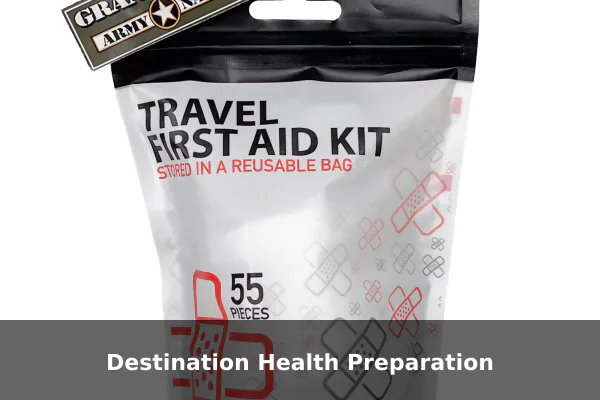
Destination health preparation is worth taking seriously because some vaccines, prescriptions, and medical consultations need weeks of lead time, and official resources such as the CDC Travelers’ Health pages and World Health Organization travel guidance outline destination-specific risks that are easy to miss otherwise. Building health planning into the recommendation process protects both the trip itself and the traveler’s wellbeing after returning home.
Travelers can review destination pages for vaccine suggestions, medication considerations, food and water safety notes, and current disease notices, then bring that information to a clinician for personalized advice. They may also notice practical guidance on insect protection, altitude, motion sickness, and what to pack in a basic travel health kit.
Travel tip: Review vaccine, medication, food safety, water safety, and disease notice guidance well before departure.
Best time to visit: Start 4 to 8 weeks before travel when vaccines, prescriptions, or medical appointments may be needed.
Ticket price: Official guidance is free; clinic visits, vaccines, and prescriptions vary by provider and insurance.
Timed-Entry Museum Visit
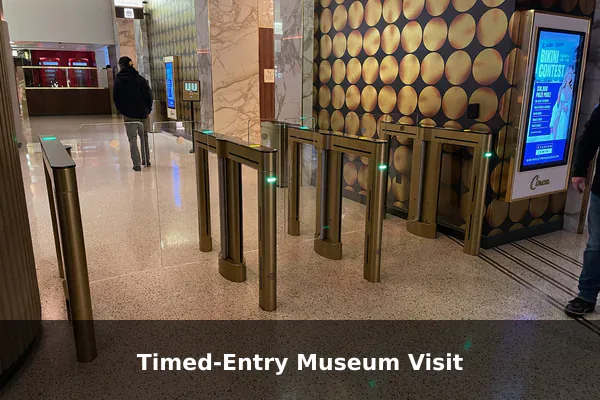
A timed-entry museum visit is worth planning because many leading museums now manage demand through reserved entry windows, and securing an official slot in advance often makes the difference between a relaxed visit and a long wait outside. Booking directly through the museum’s own channels also helps travelers avoid unnecessary third-party markups and keeps cancellation or rescheduling rules clear.
Visitors can choose calmer weekday morning or late-afternoon slots, then move through galleries with more space to read labels, study key works, and revisit favorite rooms. They may also notice that timed entry tends to reduce checkroom and café congestion, making it easier to plan breaks around special exhibitions or guided tours.
Travel tip: Book official timed-entry tickets when available and avoid third-party markups unless they add clear value.
Best time to visit: Weekday mornings or late-afternoon slots outside school holidays are usually calmer.
Ticket price: Prices vary by museum, age, residency, exhibition type, and whether special exhibits are included.
National Park Shuttle Day

A shuttle-based national park day is worth recommending because popular parks increasingly limit private vehicle access to protect fragile landscapes and ease congestion at trailheads, and using official shuttles or timed entry permits is often the most reliable way in. Planning around the shuttle system, rather than against it, helps travelers reach signature viewpoints and trails without circling full parking lots.
Visitors can ride between trailheads, visitor centers, and scenic stops, stepping off where conditions and energy levels suit them best. They may also notice ranger talks, interpretive signs, and wildlife along quieter corridors, and benefit from carrying water, layers, snacks, and offline maps in case service or schedules shift during the day.
Travel tip: Reserve shuttles or entry permits early where required, and bring water, layers, snacks, and offline maps.
Best time to visit: Spring or fall weekdays, with the first available shuttle or early morning entry window.
Ticket price: Prices vary by park; some require entrance fees, shuttle reservations, vehicle permits, or timed access.
City Transit Pass Exploration
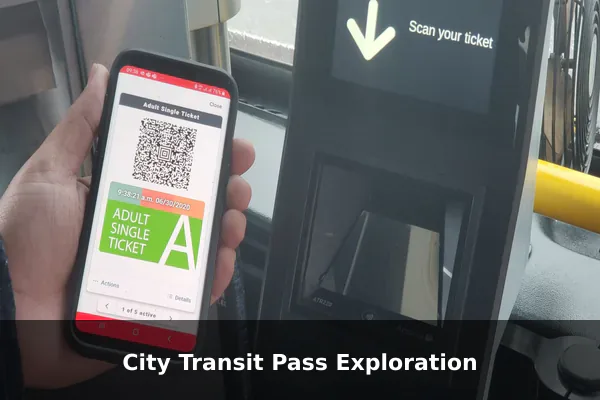
A city transit pass is worth considering when your itinerary clusters several attractions across multiple zones, because it can simplify payment, reduce queueing, and often costs less than stacking single fares or short rideshare hops. For dense urban destinations with reliable metro, tram, or bus networks, a multi-day pass also removes the friction of constantly checking maps for fare boundaries, which tends to encourage more spontaneous detours.
Travelers can use the pass to test neighborhoods beyond the tourist core, ride to early-morning markets, or return late from dinner without worrying about surge pricing. Many passes also bundle airport links, regional rail, or limited ferry routes, so it is worth reviewing each operator’s official fare page to confirm exactly which lines, time windows, and transfers are covered before committing.
Travel tip: Compare pass validity zones with your hotel, airport, train station, and planned attractions before purchase.
Best time to visit: Buy after finalizing the first two days of sightseeing, especially for dense city itineraries.
Ticket price: Prices vary by city, duration, zones, airport coverage, and included regional transport.
Guided Neighborhood Walking Tour

A guided neighborhood walking tour is one of the most efficient ways to orient yourself in an unfamiliar city, especially when local context, street layout, or safety norms are not obvious from a guidebook. A knowledgeable guide can point out which streets feel comfortable after dark, which plazas attract pickpockets, and which side alleys lead to genuinely worthwhile bakeries, museums, or viewpoints you would otherwise miss.
On the tour, visitors can ask practical questions about transit transfers, tipping customs, and reliable lunch spots, while also picking up small language cues that make later interactions smoother. Many walks weave together history, architecture, and everyday life, giving you a mental map you can revisit independently on subsequent days with more confidence and less navigation stress.
Travel tip: Choose licensed or highly reviewed guides, wear comfortable shoes, and bring small cash for tips where customary.
Best time to visit: First full day in the destination, preferably morning or early evening in warm climates.
Ticket price: Prices vary; free-to-join tours commonly expect tips, while private and specialist tours cost more.
Local Food Market Visit

A local food market is often the most honest introduction to a region’s cuisine, because the stalls reflect what residents actually eat rather than what is curated for visitors. Markets tend to offer a wide range of price points, so travelers can sample several small dishes for the cost of one restaurant meal while observing seasonal produce, regional spices, and preparation techniques in a single visit.
Visitors can watch vendors prepare signature snacks, compare regional specialties side by side, and pick up shelf-stable items like spices, dried noodles, or packaged sweets as practical souvenirs. Paying attention to which stalls have steady local lines is usually a reliable signal of freshness and consistency, and it also helps reduce the risk of stomach trouble when you are unsure about hygiene standards.
Travel tip: Choose busy stalls with high turnover, carry small bills, and be cautious with raw foods if unsure about hygiene.
Best time to visit: Late morning for variety, or early evening where markets are known for dinner stalls.
Ticket price: Usually free to enter; food and tastings vary by stall, city, and portion size.
Scenic Rail or Ferry Route

A scenic rail or ferry route turns necessary transport into a destination in itself, which is particularly valuable on longer trips where travel days can otherwise feel wasted. Routes that hug coastlines, cross mountain passes, or thread through river valleys often deliver views that are difficult to reach by road, and they remove the stress of self-driving on unfamiliar terrain.
Travelers can plan light meals or snacks for the journey, photograph changing landscapes from open decks or panoramic windows, and use the slower pace to review the next leg of the itinerary. Checking the operator’s official schedule for direction of travel, seat orientation, and any weather-related cancellations helps you secure the best views and avoid surprises with luggage limits or onboard amenities.
Travel tip: Book seats or decks with the best views when reservations are offered, and confirm baggage rules in advance.
Best time to visit: Clear-weather days, daylight departures, and shoulder seasons for fewer crowds.
Ticket price: Prices vary by operator, route, class, season, and whether seat reservations are mandatory.
Low-Impact Outdoor Day Trip

A low-impact outdoor day trip offers a refreshing change of pace from dense city sightseeing without demanding the fitness, gear, or logistics of a multi-day trek. Gentle coastal paths, lakeside loops, forest boardwalks, and accessible park trails can deliver strong scenery while keeping transport time, elevation gain, and risk within reach of mixed-ability groups, families, and solo travelers easing back into activity.
Visitors can build the day around viewpoints, picnic stops, and short interpretive sections rather than distance targets, leaving room to rest or turn back early if conditions change. Reviewing official park advisories, regional weather forecasts, and any health notices before departure helps you choose a route that matches the group’s stamina and the destination’s current trail or wildlife conditions.
Travel tip: Match the trail or activity to the least experienced person in the group and check weather before leaving.
Best time to visit: Dry-season mornings or mild spring and autumn days, depending on the destination climate.
Ticket price: Often free for public trails, but parks, guides, equipment rentals, or transport may add costs.
Official references
- U.S. Department of State Travel Advisories – Authoritative country-by-country safety, security, entry, and emergency guidance for international travelers.
- CDC Travelers' Health – Official destination health guidance, vaccine recommendations, disease notices, and prevention advice for travelers.
- World Health Organization Travel and Health – Global public health authority for travel health risks, preparedness, and international health considerations.
- Transportation Security Administration Travel – Primary U.S. source for airport screening, prohibited items, identification, and passenger security procedures.
- Federal Aviation Administration PackSafe – Official guidance on what passengers may safely pack for air travel, including batteries and hazardous materials.
