
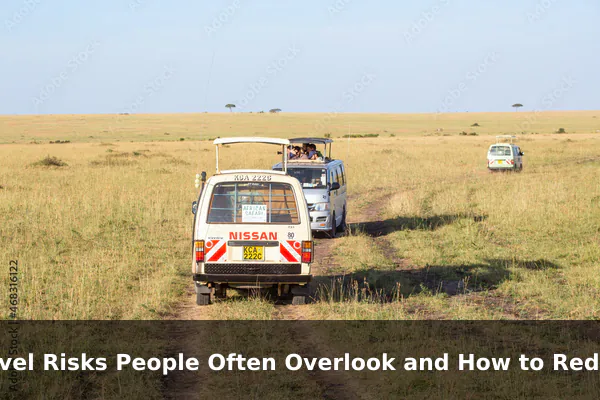
Some travel risks are obvious, such as severe weather, illness, or theft. The harder problems are often the quiet ones: a missed transfer, a medication rule, a crowded station, a weak phone signal, or a local custom that changes how safe and comfortable a trip feels.
This plan focuses on practical travel experiences where small preparation choices can reduce stress and avoidable problems. It uses official travel advisories, health guidance, and destination checklists as source anchors while keeping the advice cautious, flexible, and useful for real trips.
International Airport Self-Transfer
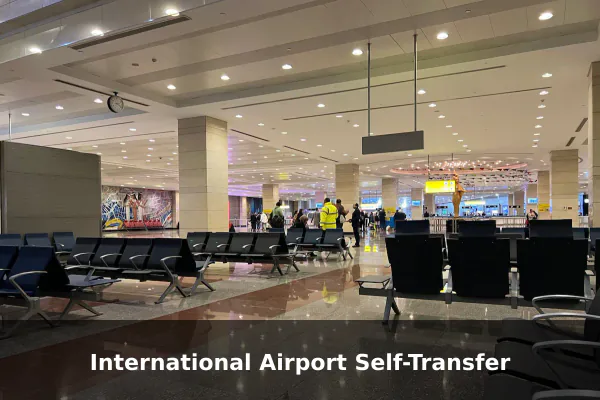
An international airport self-transfer is worth understanding because it is one of the most common points where smooth trips quietly unravel, especially when travelers book separate tickets across different airlines and assume baggage and immigration will flow automatically between them.
At a self-transfer, travelers typically need to reclaim checked luggage, clear immigration and sometimes customs, move between terminals on shuttle trains or buses, and recheck bags before a second security screening, all while watching boarding times and confirming whether their next airline accepts their baggage allowance.
Travel tip: Leave a longer buffer than airline minimums when changing terminals or rechecking bags, especially if immigration is involved.
Best time to visit: Midweek flights and daytime arrivals are usually easier for solving baggage, visa, or transport issues.
Ticket price: No separate ticket price; costs depend on flights, baggage fees, and airport transport.
Overnight Train Journey

An overnight train journey is appealing for its scenery, lower cost compared with last-minute flights, and the chance to wake up in a new region, yet the long hours in shared cabins and quiet late-night stops create risks that daytime travelers rarely think about.
On board, passengers can secure luggage near their berth, watch for conductors checking tickets or stamping validations, note which stations involve long stops where doors stay open, and stay aware of belongings during boarding, meal service, and early-morning arrivals when attention naturally drops.
Travel tip: Keep valuables in a small bag you can sleep with and confirm whether your ticket needs validation before boarding.
Best time to visit: Shoulder seasons and earlier evening departures often provide smoother boarding and less crowded platforms.
Ticket price: Prices vary by country, route, cabin type, and booking window.
Street Food Market Visit

A street food market visit is one of the most rewarding ways to understand a destination, offering regional dishes, local pricing, and a direct look at how residents actually eat, which is hard to replicate inside formal restaurants.
Visitors can scan for stalls with steady local customers, watch how food is cooked and handled, keep small bills ready for quick payments, move with the flow of the crowd rather than against it, and pause between tastings to rinse hands or use sanitizer before touching food again.
Travel tip: Choose busy stalls with high turnover and carry hand sanitizer plus small bills to reduce handling delays.
Best time to visit: Early dinner hours are often best, when stalls are active but crowds may not yet be at their peak.
Ticket price: Usually free to enter; food prices vary by market and vendor.
High-Altitude Viewpoint or Mountain Pass
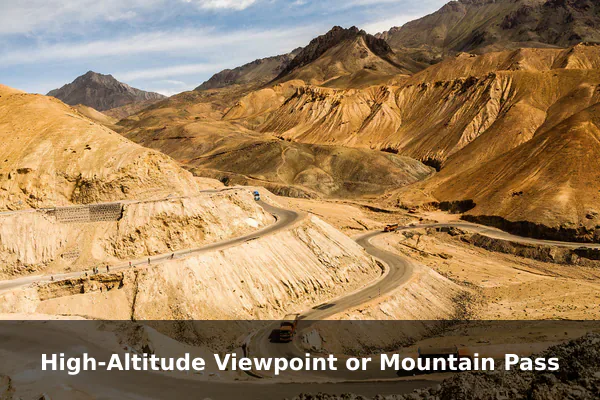
A high-altitude viewpoint or mountain pass is worth the effort for its sweeping landscapes, clearer air, and dramatic changes in terrain, but the same elevation that creates the view also exposes travelers to thinner oxygen, stronger UV, and weather that can shift within a single hour.
Travelers can pace their ascent, sip water steadily rather than waiting until thirsty, layer clothing for sudden temperature drops, use sunglasses and sunscreen even on cool or cloudy days, and watch for early signs of altitude discomfort such as headache, nausea, or unusual fatigue.
Travel tip: Ascend gradually when possible, bring water and sun protection, and avoid pushing through symptoms that feel unusual.
Best time to visit: Dry-season mornings are generally best for visibility, cooler temperatures, and fewer afternoon storms.
Ticket price: Prices vary; some viewpoints are free while national parks, cable cars, or permits may charge fees.
Remote Beach Swim

A remote beach swim is a memorable part of many trips, offering quieter sand, clearer water, and a sense of escape that busier resort beaches rarely provide, which is exactly why these places attract travelers willing to drive or hike to reach them.
At the shore, visitors can look for posted warning flags or signs, ask locals about rip currents and tides for that specific day, note where the nearest staffed area or road access sits, keep phones in a dry bag, and limit sun exposure during the strongest midday hours.
Travel tip: Check local warning flags and swim near staffed areas rather than choosing the quietest stretch of water.
Best time to visit: Morning at low-to-moderate tide is often safer, but conditions should be checked locally on the day.
Ticket price: Often free; parking, park entry, loungers, or boat access may cost extra.
Rental Car Road Trip

A rental car road trip is worth taking because it unlocks regions that fixed transit cannot easily reach, letting you set your own pace through rural valleys, coastal cliffs, and small towns that rarely appear on group itineraries. The freedom is real, but it also shifts responsibility for safety, paperwork, and route planning onto you, which is exactly where overlooked risks tend to appear.
On the road, visitors can notice how speed limits, right-of-way rules, and toll systems differ from home, and how quickly fatigue builds on unfamiliar mountain or coastal routes. Sensible drivers review the rental contract for insurance exclusions, save offline maps in case signal drops, plan fuel stops before remote stretches, and keep local emergency numbers and roadside assistance contacts within easy reach.
Travel tip: Photograph the car before leaving the lot and confirm insurance exclusions, toll rules, and emergency numbers.
Best time to visit: Daylight driving outside rush hour is best, especially on unfamiliar rural, mountain, or coastal roads.
Ticket price: Prices vary by destination, vehicle class, insurance, fuel, tolls, and seasonal demand.
Cruise Shore Excursion

A cruise shore excursion is worth doing because it concentrates a destination’s highlights into a tight, well-organized window, giving travelers a structured taste of a port without the logistics of independent planning. The trade-off is a strict departure deadline, and missing the ship can leave you responsible for catching up at the next port at your own cost.
Visitors can notice how local traffic, weather, and queueing at small ports stretch even short transfers, and how documentation rules differ between cruise-line tours and independent operators. Careful travelers track ship time rather than local time, keep their passport or approved ID and boarding card together, confirm meeting points, and build a buffer that absorbs delays before all-aboard.
Travel tip: Track the ship time, not only local time, and keep passport or approved ID requirements clear before leaving the port area.
Best time to visit: Book morning excursions when possible to leave more recovery time before the ship departure deadline.
Ticket price: Prices vary widely by cruise line, port, activity type, and private versus group tour.
Religious Site Visit

A visit to a religious site is worth making because it offers a direct view into the art, history, and living devotion of a community, often in settings that have shaped local identity for centuries. These places are still active spaces of worship, so the experience depends as much on visitor conduct as on the site itself.
Visitors can notice posted dress codes, signs about photography or filming, separate entrances or seating for different genders, and quieter rhythms outside service times. Respectful travelers cover shoulders and knees, carry a lightweight scarf or layer, remove shoes where required, silence phones, ask before photographing people, and step aside during prayer rather than crossing through worshippers.
Travel tip: Carry a lightweight scarf or layer and check whether shoes, photography, or bags are restricted before entering.
Best time to visit: Non-service hours on weekdays are usually calmer, but opening times vary by site and local observance.
Ticket price: Many religious sites are free or donation-based; museums, towers, or guided areas may charge entry.
Wildlife Watching Tour
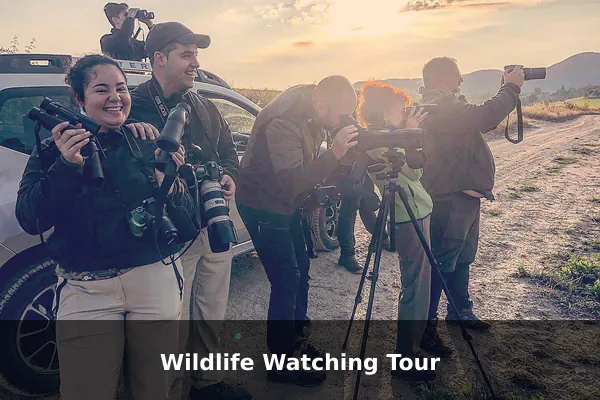
A wildlife watching tour is worth joining because it lets travelers see animals in their natural habitat under the guidance of trained naturalists, which is safer and more informative than improvised encounters. The risks people overlook tend to involve unsafe proximity, unlicensed boats or vehicles, rough water, and rules that protect both visitors and the species being observed.
Visitors can notice how licensed operators maintain set distances, limit engine noise, and brief guests on what to do if an animal approaches. Prepared travelers choose accredited guides, ask about safety equipment and group size, follow no-feeding and no-touch rules, dress for sun and spray, and bring motion sickness medication for boat-based or off-road tours.
Travel tip: Choose licensed operators that follow distance rules and bring medication if you are prone to motion sickness.
Best time to visit: Early morning or late afternoon often offers better wildlife activity, depending on species and season.
Ticket price: Prices vary by destination, operator, group size, season, and conservation fees.
Hotel Check-In and Room Safety Routine
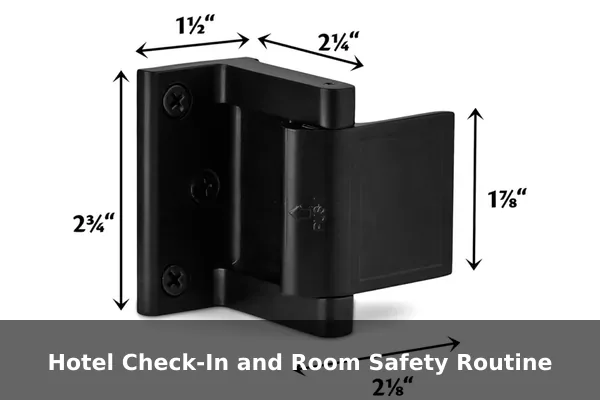
A deliberate hotel check-in and room safety routine is worth building because the first hour in a new property is when most overlooked risks appear, from unclear emergency exits to careless handling of key cards and documents. Treating arrival as part of the trip, rather than just a transaction, reduces small incidents that can disrupt the rest of the stay.
Visitors can notice the location of the nearest stairwell exit, the condition of door locks and balcony railings, and whether windows or connecting doors secure properly. Cautious travelers ask staff to write the room number rather than say it aloud, store passports and spare cards in the in-room safe, keep a copy of key documents in a separate bag, and confirm the front desk number before settling in.
Travel tip: Locate the nearest emergency exit, use the in-room safe thoughtfully, and avoid saying your room number aloud in public areas.
Best time to visit: Daytime check-in is best when staff support, room changes, and local orientation are easier to manage.
Ticket price: No separate ticket price; costs depend on accommodation rate, deposits, taxes, and local fees.
Official references
- U.S. Department of State Travel Advisories – Primary source for destination-specific safety risks, advisory levels, security alerts, entry requirements, and local laws guidance for U.S. travelers.
- U.S. Department of State International Travel Checklist – Practical official checklist covering overlooked risks such as documents, medications, local requirements, insurance, emergencies, and STEP alerts.
- CDC Travelers' Health – Authoritative travel health source for vaccines, outbreaks, destination health notices, food and water safety, and disease-prevention advice.
- World Health Organization Travel and Health – International public health reference for travel-related health risks, infectious disease prevention, vaccination, and global health considerations.
- UK Foreign, Commonwealth & Development Office Foreign Travel Advice – Official destination-by-destination advice with sections on safety, terrorism, health, entry requirements, and local laws and customs.
