
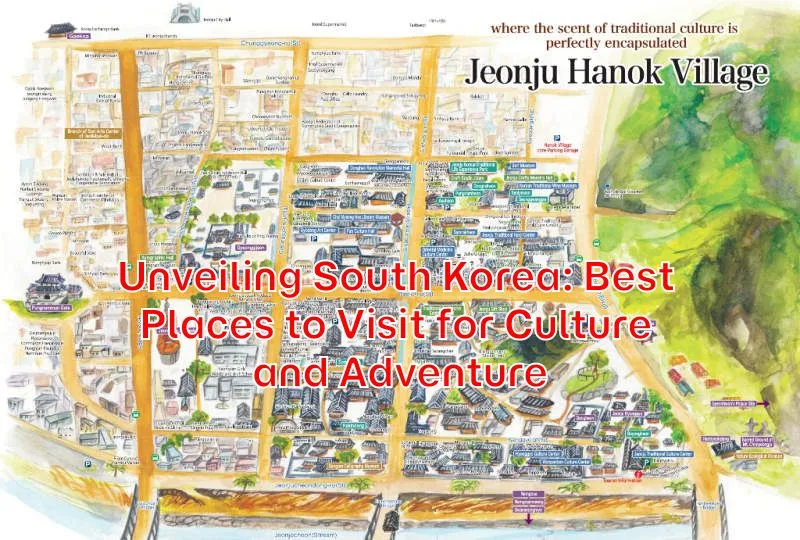
South Korea is a land of vibrant cultures and breathtaking adventures, making it a perfect travel destination for those seeking a blend of tradition and excitement. Known for its rich history, delicious cuisine, and stunning landscapes, South Korea offers an array of experiences that are sure to captivate any traveler. From bustling cities where technology and tradition coexist seamlessly, to serene countryside retreats that offer peace and tranquility, this nation provides a journey filled with stories and memories.
Join us as we unveil some of the best places to visit in South Korea, where you can immerse yourself in the local culture and indulge in exhilarating adventures. Whether you’re wandering through the ancient palaces of Seoul, exploring the picturesque landscapes of Jeju Island, or enjoying the vibrant street life of Busan, each destination offers a unique glimpse into the heart of this fascinating country. Prepare for a journey of discovery and inspiration as you explore the wonders that South Korea has to offer.
Seoul
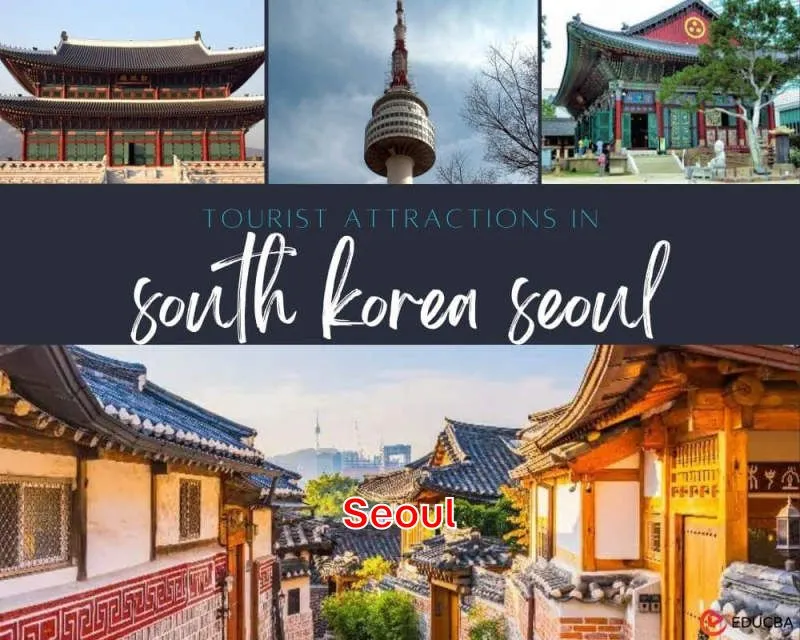
Seoul, the dynamic capital of South Korea, is a harmonious blend of traditional and contemporary elements. This vibrant city offers a diverse range of experiences, from historical landmarks and palaces to modern skyscrapers and lively markets.
Historical Landmarks
No visit to Seoul is complete without exploring the majestic Gyeongbokgung Palace. Established in 1395, it is a stunning testament to Korea’s rich history. Visitors can witness the ceremonial Changing of the Guard and explore the Museum of the Royal Palaces.
Cultural Experiences
To immerse in Korean culture, head to Bukchon Hanok Village, where you can stroll through alleys lined with traditional hanoks (Korean houses). The National Museum of Korea and the National Folk Museum offer deeper insights into Korea’s artistic heritage.
Modern Attractions
For a taste of modern Seoul, visit the bustling district of Gangnam, famous for its shopping and entertainment scenes. A trip to the iconic N Seoul Tower on Namsan Mountain provides a panoramic view of the city’s breathtaking skyline.
Culinary Delights
Myeongdong and Its Street Food: This bustling shopping district doubles as a food haven where you can indulge in a variety of Korean street foods including tteokbokki (spicy rice cakes), hotteok (sweet pancakes), and more.
Activities to Consider
- Shopping at Dongdaemun and Namdaemun Markets.
- Exploring arts and crafts at Insadong.
- Enjoying a performance at the famous Sejong Center for the Performing Arts.
Seoul is a city that never sleeps, continually offering something new and exciting. Whether you’re drawn by its history, its dynamic lifestyle, or its culinary scene, Seoul promises an unforgettable journey.
Busan
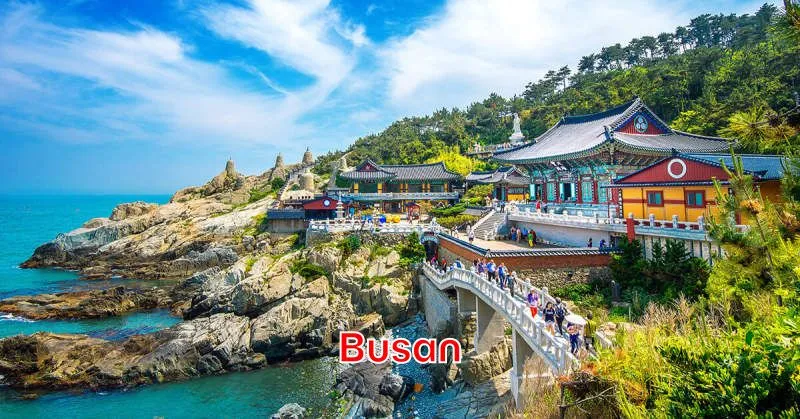
Welcome to Busan, South Korea’s bustling port city known for its spectacular beaches, eclectic nightlife, and rich cultural heritage. Nestled along the southeastern coast, Busan is a vibrant tapestry of modernity meeting tradition.
Haeundae Beach
One of the city’s crown jewels is Haeundae Beach, a paradise for sun-seekers and water sports enthusiasts. Whether you’re planning to relax on the golden sands or dive into the bustling nightlife, Haeundae offers something for everyone.
Gamcheon Culture Village
The Gamcheon Culture Village provides a rainbow-colored escape from the urban hustle, with its narrow alleys, painted murals, and captivating street art. Often referred to as the “Machu Picchu of Busan,” this artistic village is a must-see for culture lovers.
Jagalchi Fish Market
No trip to Busan is complete without a visit to the Jagalchi Fish Market, Korea’s largest seafood market. Here, you can experience the lively atmosphere and sample freshly caught delicacies that will tantalize your taste buds.
Unique Experiences in Busan
- Explore the ancient Beomeosa Temple nestled in the mountains, a spiritual haven dating back to 678 AD.
- Take a scenic stroll along the Nurimaru APEC House on Dongbaekseom Island, surrounded by breathtaking sea views.
- Don’t miss the annual Busan International Film Festival (BIFF), showcasing diverse cinema from around the world.
Busan’s dynamic blend of coastal beauty and cultural wonders make it an unmissable stop for those touring South Korea. Whether you’re drawn to its pristine beaches or its bustling urban centers, Busan offers an unforgettable adventure that will leave you longing for more.
Jeju Island
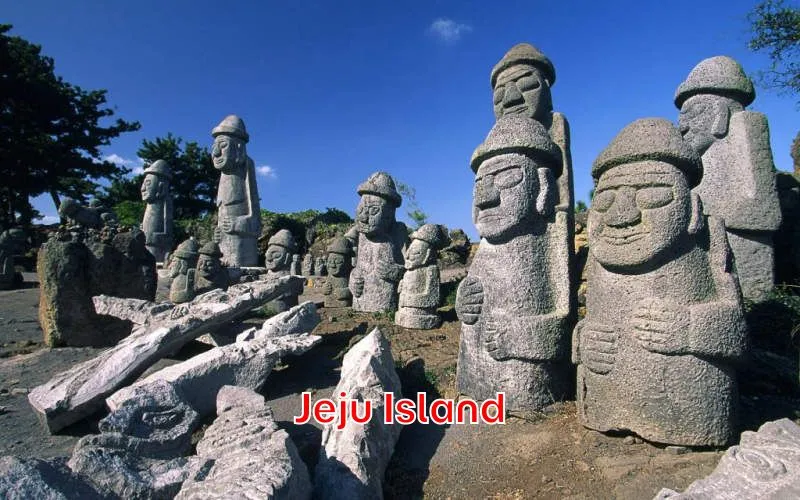
When one thinks of South Korea’s natural beauty and cultural richness, Jeju Island inevitably comes to mind. Often referred to as the “Hawaii of South Korea,” Jeju Island is a paradise for those seeking both adventure and cultural exploration.
Must-Visit Spots on Jeju Island
- Hallasan Mountain: The tallest mountain in South Korea, standing majestically in the center of the island, offering hiking trails that lead to breathtaking views.
- Jeju Volcanic Island and Lava Tubes: A UNESCO World Heritage Site, these tubes are praised for their unique geological formations.
- Seongsan Ilchulbong: Also known as Sunrise Peak, this picturesque volcanic crater is a celebrated spot to witness the sunrise.
- Jusangjeolli Cliffs: Imposing rock formations that highlight the island’s volcanic past, perfect for photographers and nature enthusiasts.
Rich Korean Culture
Beyond its natural wonders, Jeju Island is steeped in cultural history and customs. The island is renowned for its haenyeo—female divers who are recognized as part of Intangible Cultural Heritage by UNESCO. These women dive into the ocean without the use of oxygen tanks, harvesting seafood in a way that respects and preserves the ocean’s ecosystem.
Delight in Local Cuisine
Jeju is also a culinary delight, offering unique local dishes. From fresh seafood like abalone and cutlassfish to Jeju’s famous black pork, food enthusiasts are sure to find themselves enamored with the vibrant and flavorful delicacies available on the island.
Quick Facts about Jeju Island
| Feature | Description |
|---|---|
| Climate | Subtropical, with warm summers and mild winters |
| Best Time to Visit | April to June and September to November for mild weather |
| Language | Korean; English is commonly understood in tourist areas |
Gyeongju
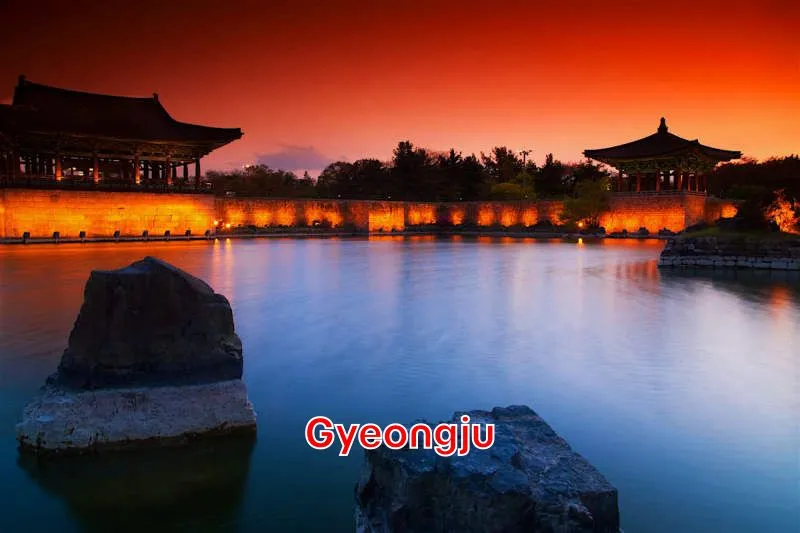
Often referred to as the “museum without walls“, Gyeongju is a beautiful city that serves as a testament to South Korea’s rich history. As the ancient capital of the Silla Kingdom, which ruled over the Korean Peninsula for nearly a millennium, Gyeongju is a treasure trove of cultural and historical sites.
Historical Landmarks
The city is an archaeological paradise, with numerous sites that reflect its illustrious past. Bulguksa Temple, a UNESCO World Heritage Site, is a must-visit. Built in 528 AD, this temple complex showcases magnificent stone pagodas and intricate woodwork, representing the creativity and devotion of the Silla people.
Close by is the enchanting Seokguram Grotto, home to a breathtaking stone statue of Buddha, surrounded by a peaceful mountain landscape. The craftsmanship and serene nature of this site make it an unforgettable experience for any traveler.
Exploring Traditional Heritage
Another site of interest is the historic Daereungwon Tomb Complex, home to several royal burial mounds. These ancient tombs provide insights into the burial customs and the grandeur associated with Silla royalty. Walking through the tomb complex is like wandering through the pages of history, with each mound telling a story of past kings and queens.
Gyeongju National Museum
For those interested in delving deeper into the area’s history, the Gyeongju National Museum is the perfect place to visit. The museum houses an extensive collection of artifacts from the Silla Dynasty, including gold crowns, pottery, and earthenware, providing a comprehensive understanding of this once-flourishing kingdom.
Whether you’re a history enthusiast or simply curious about the past, Gyeongju offers a unique opportunity to step back in time and witness the legacy of one of Korea’s most significant eras.
DMZ (Demilitarized Zone)
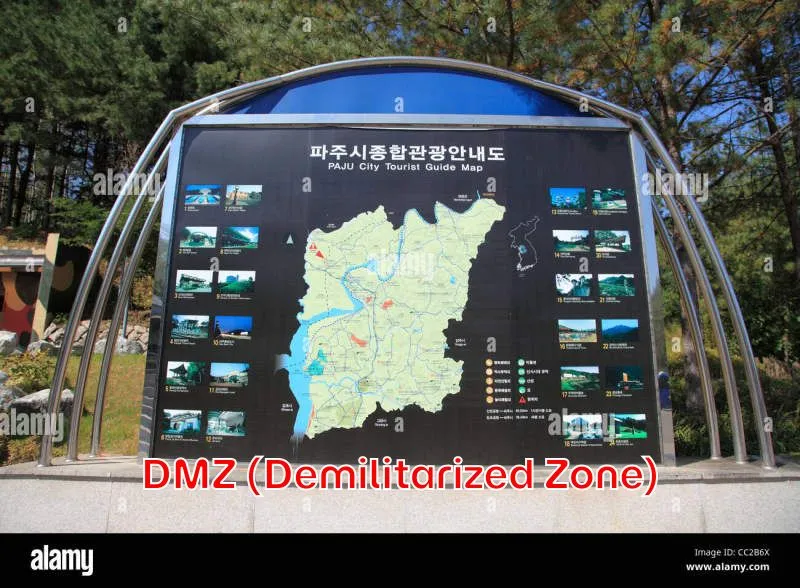
The Demilitarized Zone (DMZ) is one of the most fascinating places to explore in South Korea, offering a glimpse into the country’s recent history, military presence, and division. The DMZ stretches across the Korean Peninsula, serving as a buffer zone between North and South Korea since the end of the Korean War in 1953. This area, though a symbol of tension, is a unique tourist destination that promises an unforgettable experience.
Explore the Historic Significance
Visitors to the DMZ can delve into the history and complex political landscape of the Korean Peninsula. Some of the most popular sites within the DMZ include the Joint Security Area (JSA), where North and South Korean soldiers stand guard face-to-face. The JSA is the only part of the DMZ where soldiers from both sides literally stand in the same room. A visit here is both eerie and thrilling.
Uncover Hidden Tunnels
The DMZ is also known for its infiltration tunnels, which were built by North Korea for potential military purposes. Visitors can tour the Third Infiltration Tunnel, discovered in 1978. This tunnel stretches more than 1,600 meters and is large enough for infantry to pass through in large numbers. The visitor center offers insights and exhibits on its history.
Tour Panmunjom
Panmunjom, known as the village of truce, is another essential point of interest at the DMZ. This is the site where the Korean Armistice Agreement was signed. Here, you can visit the blue conference buildings straddling the Military Demarcation Line, and with permission, you may even set foot in North Korea.
| Location | Highlight |
|---|---|
| Joint Security Area (JSA) | Face-to-face guard posts |
| Third Infiltration Tunnel | Subterranean exploration |
| Panmunjom | Site of Armistice signing |
DMZ Peace Park
The DMZ Peace Park aims to transform a symbol of division into one of hope and reconciliation. It provides insights into the region’s ecology, which has thrived due to limited human interference. With restricted access, rare flora and fauna have made the DMZ their sanctuary, offering a unique biodiversity that remains largely untouched.
Visiting the DMZ is not just about witnessing a significant historic and military site; it’s a chance to understand the realities and aspirations of the Korean people. It’s a place that strikes a balance between tension and peace, conflict and hope.
Seoraksan National Park
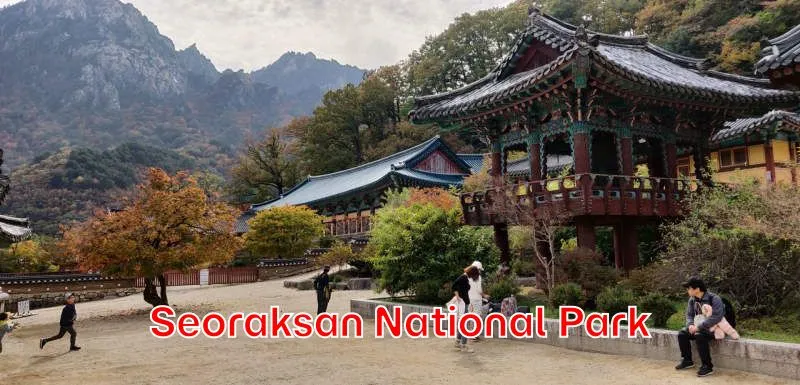
Nestled in the northeast of South Korea, Seoraksan National Park is a stunning natural wonderland that beckons adventurers and nature enthusiasts alike. Known for its majestic granite peaks, lush forests, and crystal-clear mountain streams, it offers an unrivaled experience for those seeking both tranquility and adventure.
Highlights of Seoraksan National Park
A trip to Seoraksan would be incomplete without hiking to the peak of Daecheongbong, the highest point in the park. Standing at 1,708 meters, the view from the top is nothing short of spectacular, especially during the autumn months when the park is ablaze with vibrant foliage.
For those less inclined to hike, the park offers a scenic cable car ride to Gwongeumseong Fortress, where you can soak in panoramic views of the mountains and valleys below. This fortress, although in ruins now, holds a slice of history and mystery amidst its rocky structure.
Flora and Fauna
Seoraksan National Park is a biodiversity hotspot, teeming with over 1,500 plant species and hundreds of animal species, including the rare Korean goral and musk deer. The park’s unique ecosystem makes it a paradise for wildlife enthusiasts and botanists.
Visitor Information
Here are a few essential tips to make the most of your visit:
- Seoraksan is accessible year-round, but its peak season is from September to November.
- Entrance fees vary, and a Korean-speaking guide enhances the visit with insights into the park’s history and ecology.
- Prepare for diverse weather conditions; layers are recommended even during summer.
Within the park, several well-marked trails cater to all levels of hikers, from short, leisurely walks to more challenging routes. Rest huts and food stalls are conveniently located throughout, ensuring you stay energized and hydrated.
Jeonju Hanok Village
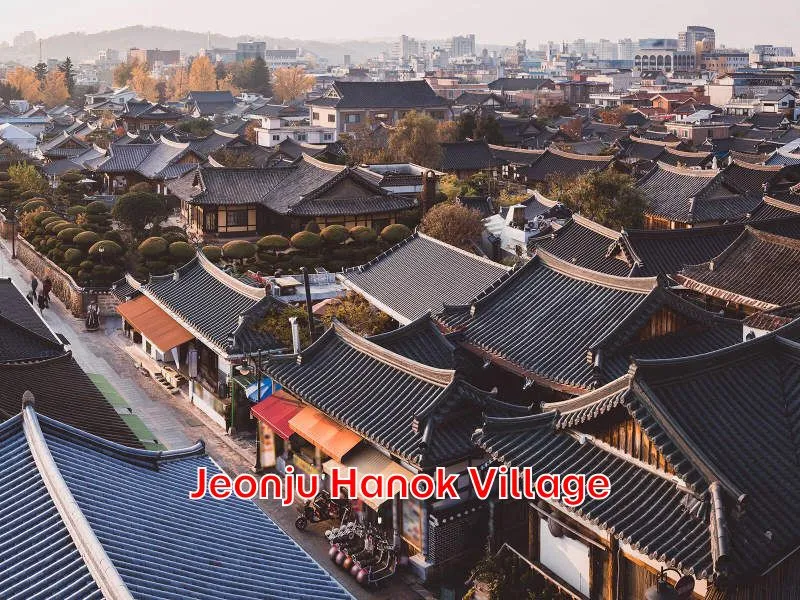
Immerse yourself in the rich tapestry of Korean culture and history at the charming Jeonju Hanok Village. Located in the heart of Jeonju City, this captivating village is a living museum, featuring over 800 traditional Korean hanok houses. These historically preserved homes offer a glimpse into the architectural elegance and ancient customs of the region.
Experience Traditional Korean Culture
In Jeonju Hanok Village, visitors can participate in a variety of cultural activities. Engage in a traditional tea ceremony, try on a hanbok (Korean traditional clothing), or learn the art of calligraphy. These immersive experiences allow you to appreciate Korea’s rich heritage firsthand.
Culinary Delights
No visit to Jeonju is complete without indulging in its famous bibimbap, a beloved Korean dish that originated here. The village offers numerous eateries where you can savor this delicious meal alongside other local specialties. The taste is a delightful combination of flavors that perfectly blends with the area’s historical ambiance.
A Stroll Through History
Wandering through the narrow alleys of Jeonju Hanok Village, one can discover artisan shops offering handmade crafts and souvenirs. Enjoy the beautifully landscaped gardens that accentuate the traditional architecture, perfect for leisurely walks and capturing memorable photos.
Visiting Tips
- Plan your visit during a cultural festival to experience vibrant celebrations and performances.
- Book a stay in a hanok guesthouse for an authentic overnight experience.
- Visit the Jeonju National Museum nearby for a deeper understanding of the region’s history.
Andong Hahoe Folk Village
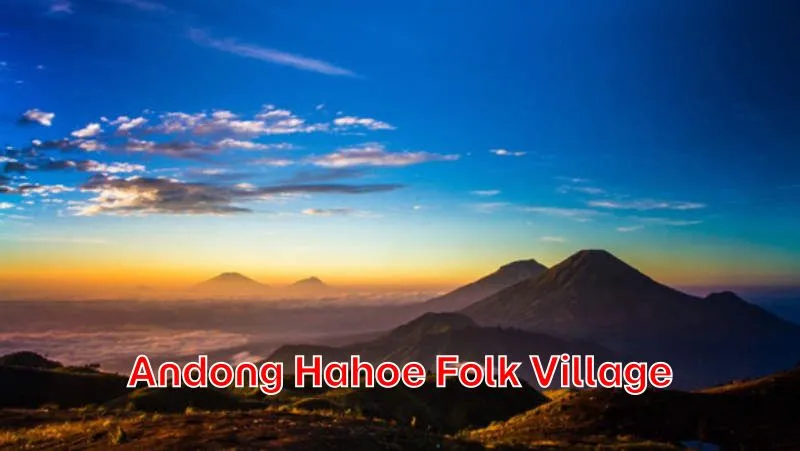
Nestled in the scenic landscapes of South Korea, the Andong Hahoe Folk Village is a remarkable destination where history, culture, and tradition converge. Renowned for its well-preserved architecture and timeless beauty, this village offers an authentic glimpse into Korea’s past.
A Journey Through Time
This traditional village, a UNESCO World Heritage site, is more than just a collection of old houses. It provides a window into the Joseon Dynasty, reflecting the way of life that has been preserved for over 600 years. The blend of antique hanoks (traditional Korean houses), elegant pavilions, and scenic natural settings takes visitors on a journey through time.
Key Attractions
- Yangjindang House: This is the oldest structure in Hahoe, known for its exquisite architecture that embodies the aesthetics of the Joseon period.
- Buyongdae Cliff: Offering panoramic views of the village and the surrounding landscapes, it’s a perfect spot for photography enthusiasts.
- Traditional Mask Performances: Don’t miss the Hahoe Mask Dance Drama, an intangible cultural asset characterized by satirical yet entertaining performances.
Experiencing Local Culture
Visitors have the opportunity to participate in traditional Korean crafts workshops, learning the delicate art of mask making and fan painting. Engaging with the local community adds a layer of depth to the travel experience, making it not only educational but also enriching.
Practical Information
When planning your visit to Andong Hahoe Folk Village, consider exploring the nearby attractions like the Byeongsan Seowon Confucian Academy and the Dosan Seowon, both of which complement the historical theme of the region, enhancing your cultural exploration.
Suncheon Bay Ecological Park
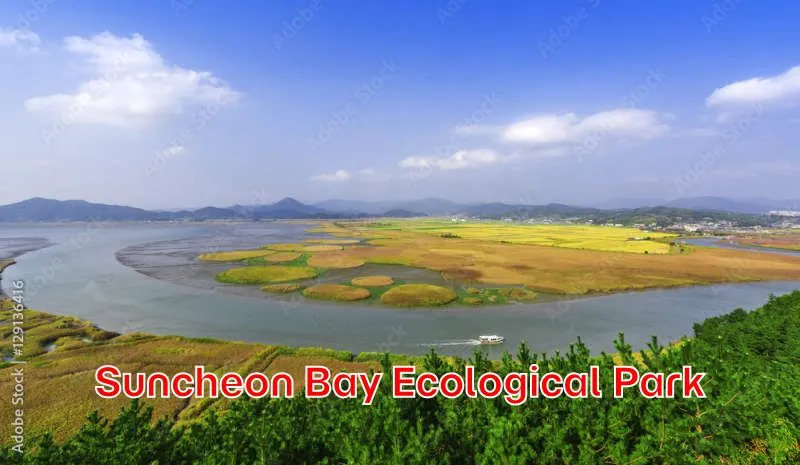
South Korea is not only bustling with life in its cities, but it’s also a nation where nature and tradition beautifully intertwine. One of the places where this blend is particularly stunning is Suncheon Bay Ecological Park.
The Beauty of Wetlands
The park is a sprawling eco-friendly destination that provides a perfect escape into nature. Known for its well-preserved wetlands, Suncheon Bay is home to countless species of plants and animals, making it a haven for birds and birdwatchers alike.
Activities to Enjoy
Visitors can explore the park’s vast area by strolling through the lush landscape or walking along the picturesque wooden bridges. For those who want to delve deeper into the ecological richness, there are guided tours available throughout the year.
Key Highlights
- Reed Fields: These fields are the iconic feature of Suncheon Bay, especially during the autumn when they appear golden and sway gracefully with the breeze.
- Suncheon Bay National Garden: A carefully curated space where you can explore beautifully themed gardens from different cultures around the world.
- Biodiversity: With over 140 species of birds, the park is a paradise for ornithologists and nature lovers, especially during the migratory season.
Whether you seek relaxation amidst nature or an educational experience, Suncheon Bay Ecological Park invites visitors to delve into an environment that not only showcases Korea’s natural diversity but also its commitment to conservation and sustainable tourism.
Boseong Green Tea Fields
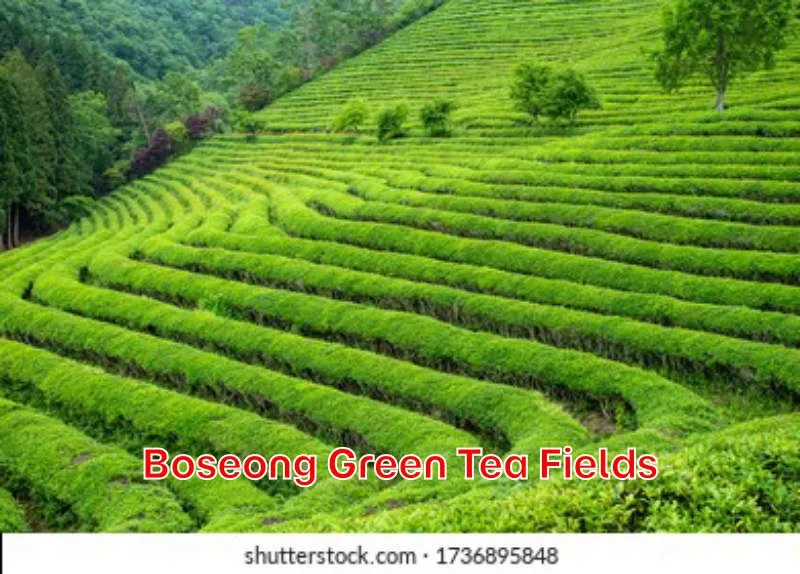
Nestled in the picturesque slopes of South Jeolla Province, the Boseong Green Tea Fields are a verdant testament to South Korea’s rich agricultural heritage. Known for producing a significant portion of the country’s green tea, this destination offers not just a feast for the eyes but also a journey into the art of tea cultivation.
History and Significance
The history of the Boseong Tea Fields dates back over a hundred years. Today, it stands as the largest tea plantation in the country, with sprawling landscapes reminiscent of a lush, green ocean. The tea produced here is highly esteemed for its quality and has a delicate, refreshing flavor that’s sought after by tea enthusiasts worldwide.
Exploring the Fields
Visitors can indulge in the serene beauty of the rolling hills adorned with vibrant green tea plants. The fields are particularly breathtaking during the early morning hours when mists envelop the area, and the sun’s rays gently emerge. Walking paths meander through the plantations, providing stunning views and perfect opportunities for photography or simple relaxation.
Tea Experience
Not only can you explore the fields, but you can also engage in a rich tea-tasting experience. Many local establishments offer visitors the chance to taste freshly brewed Boseong tea and even participate in a tea-making workshop. Discover the intricate steps that transform green leaves into the soothing cup of green tea you enjoy.
Visiting Information
| Best Time to Visit | April to May (when the fields are lush and vibrant) |
|---|---|
| Location | Boseong County, South Jeolla Province |
| Activities | Tea tasting, walking tours, photography |
Whether you’re a tea aficionado or simply looking to unwind amidst nature’s symphony, the Boseong Green Tea Fields offer a refreshing retreat from the hustle and bustle of city life. Dive deep into the world of green tea, and let this enchanting landscape captivate your senses.
