
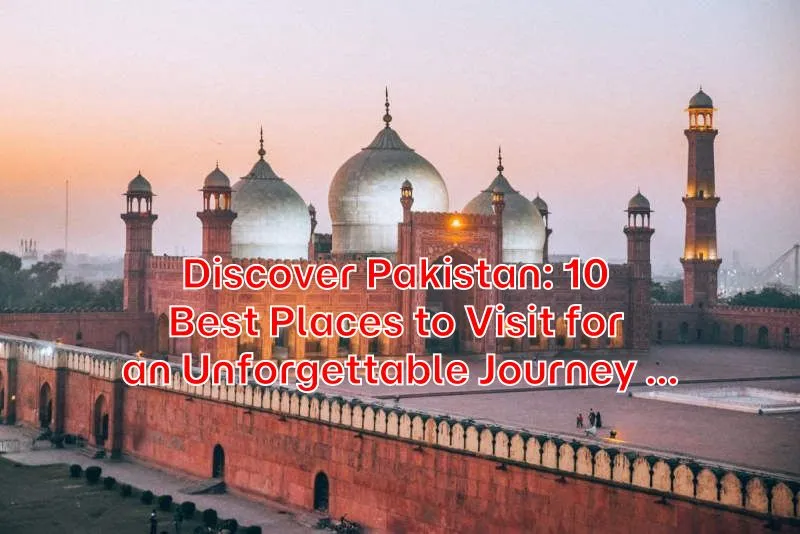
Welcome to an exploration of Pakistan, a country where the breathtaking expanses and the vibrant culture converge to offer visitors a truly unforgettable journey. From the towering peaks of the Himalayas to the timeless beauty of the Indus Valley, Pakistan is a treasure trove of stunning landscapes and intriguing heritage. Whether you’re an adventurous traveler drawn to majestic mountains or a history enthusiast eager to delve into ancient civilizations, Pakistan promises a myriad of experiences that will captivate your senses and enrich your soul.
In this article, we will unveil the 10 best places to visit in Pakistan, each offering its own unique charm and story. These destinations not only showcase the natural and historical richness of the country but also highlight the warmth and hospitality of its people. So, buckle up for a remarkable journey through bustling cities, serene lakes, ancient ruins, and majestic landscapes. Discover Pakistan, a majestic land waiting to be explored, and let your adventure begin!
Hunza Valley
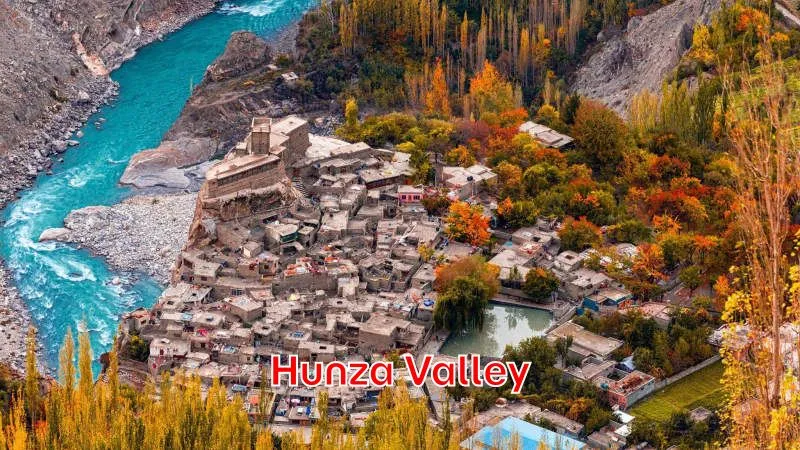
Nestled in the northern region of Pakistan, the Hunza Valley is a hidden gem waiting to be explored. Known for its pristine landscapes and warm local hospitality, this enchanting valley offers a peaceful retreat from the bustling city life.
The Majestic Beauty
The Hunza Valley is renowned for its breathtaking scenery. Surrounded by the majestic Karakoram Mountain Range, it’s here that adventurers can witness some of the most stunning natural beauty. The towering peaks of Rakaposhi and Ultar Sar provide a striking backdrop that leaves visitors in awe.
Rich Culture and History
Besides the extraordinary landscapes, Hunza is rich in culture and history. The people of the valley, known as the Hunzakuts, are famous for their hospitality and unique traditions. Visitors can explore ancient forts such as Baltit Fort and Altit Fort, each offering a glimpse into the valley’s past.
Must-See Attractions
- Karimabad: This charming town is the central hub of Hunza and offers a variety of local handicrafts and eateries.
- Attabad Lake: A relatively new but stunning attraction formed by a landslide in 2010.
- Passu Cones: Captivating peaks that are a must-visit for photography enthusiasts.
Adventure Awaits
Hunza Valley is a paradise for trekkers and adventure seekers. Numerous trails around the valley offer exhilarating experiences, such as the Hussaini Suspension Bridge, often touted as one of the most dangerous bridges in the world. However, the thrill of crossing it adds to the adventure.
Whether you’re there for the adventure, the serenity, or the unique culture, Hunza Valley promises an unforgettable journey for anyone willing to dive into its beauty and charm.
Lahore
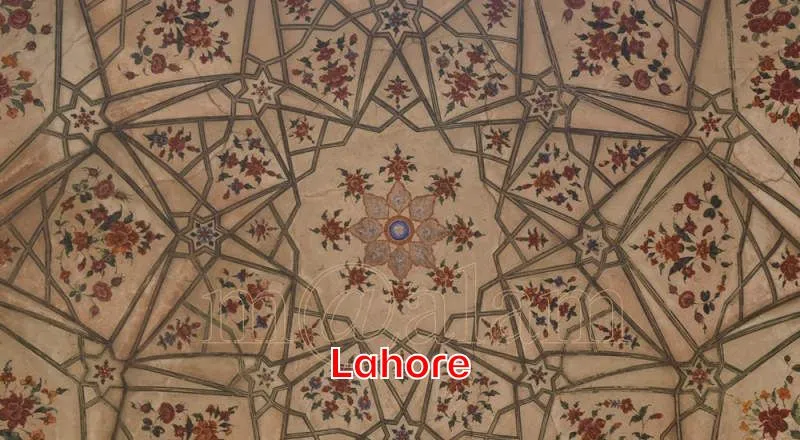
Welcome to Lahore, a city that not only boasts a rich tapestry of history but also serves as the cultural heart of Pakistan. Known for its vibrant atmosphere, Lahore invites travelers with its dynamic blend of the old and new. Whether you’re a history buff, a food lover, or someone who revels in the bustle of a lively city, Lahore will undoubtedly capture your heart.
The Heart of Culture and History
Lahore is home to an abundance of historical landmarks. The majestic Lahore Fort and the grand Badshahi Mosque stand as testaments to the city’s Mughal heritage. Wandering through the atmospheric streets of the Old City reveals a blend of architectural styles, from colonial to modern, telling stories of times past.
A Food Lover’s Paradise
If you’re a culinary enthusiast, you’re in for a treat. Lahore’s food scene is unparalleled, offering everything from street food delights to exquisite dining experiences. Don’t miss out on trying specialties like nihari, paaye, and the infamous Lahori chargha.
Must-Visit Spots and Activities
- Walled City: Explore the narrow, weaving streets filled with bustling bazaars and historic wonders.
- Lahore Museum: Dive into Pakistan’s history and art at one of the country’s oldest museums.
- Shalimar Gardens: Enjoy the tranquility of these Mughal-era gardens, a perfect escape from the city’s hustle and bustle.
Lahore, with its welcoming citizens and its vibrant art and festival scene, makes for a destination where every corner holds a new adventure. Each visit to Lahore is unique, filled with memories waiting to be made.
Karachi
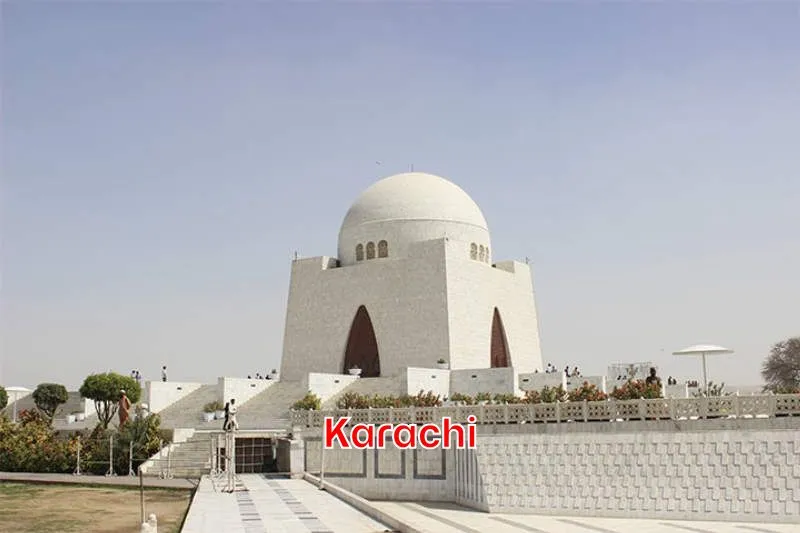
Karachi, the bustling metropolis of Pakistan, is a must-visit for those who want to experience the vibrant urban life of the country. As the largest city in Pakistan, Karachi is a melting pot of cultures, offering an intriguing blend of modern skyscrapers and historical landmarks.
Clifton Beach
One of the highlights of Karachi is the Clifton Beach, where you can enjoy breathtaking sunsets and indulge in various beach activities. Whether it’s horse riding along the coastline or enjoying local street food delicacies, this beach has something for everyone.
Historical Landmarks
Karachi boasts numerous attractions that showcase its rich history. Visit the Quaid-e-Azam’s Mausoleum, the final resting place of Pakistan’s founding father, and learn about the nation’s early history. The towering white marble structure is a symbol of admiration and respect.
Empress Market
Immerse yourself in the local culture by strolling through the Empress Market. This bustling market is always abuzz with activity, offering a wide range of goods from fresh produce to charming handicrafts. It’s the perfect spot to observe local life and maybe even indulge in some shopping.
Cuisine
No visit to Karachi would be complete without experiencing its diverse culinary scene. From spicy street food like bun kebabs to fine dining establishments offering international cuisines, Karachi satisfies all palates. Make sure to try the famous Biryani, a rice dish that locals swear by.
| Attraction | Type | Highlights |
|---|---|---|
| Clifton Beach | Beach | Sunsets, Horse Riding |
| Quaid-e-Azam’s Mausoleum | Historical | Architecture, History |
| Empress Market | Market | Shopping, Local Culture |
Islamabad

Welcome to Islamabad, the capital city of Pakistan, where modern architecture meets natural beauty. As one of the most beautifully planned cities in the world, Islamabad offers a mix of cultural and contemporary attractions that make it a fascinating destination for travelers.
Architectural Wonders
The city boasts iconic landmarks such as the Faisal Mosque, one of the largest and most exquisitely designed mosques in the world. Its grand structure, set against the backdrop of the Margalla Hills, offers a truly inspiring sight. Another notable architectural marvel is the Pakistan Monument, which symbolizes the nation’s unity and progress.
Natural Beauty
The city’s proximity to nature is celebrated by its numerous parks and trails, with Damn-e-Koh providing panoramic views of the cityscape. For those seeking an escape from urban life, the nearby Shakarparian Hills and lush green sectors offer tranquil spots perfect for picnics and strolling.
Cultural Experiences
Islamabad also offers a rich tapestry of cultural experiences. The Lok Virsa Museum offers insights into Pakistan’s diverse cultural heritage, while the city’s vibrant markets such as Jinnah Super and Centaurus Mall offer opportunities to explore local and international brands.
Key Attractions in Islamabad:
- Faisal Mosque
- Pakistan Monument
- Damn-e-Koh Viewpoint
- Lok Virsa Museum
- Fatima Jinnah Park
With its perfect blend of modern amenities and natural wonders, Islamabad offers a unique experience that promises to leave every visitor captivated and yearning for more.
Swat Valley

Known as the “Switzerland of the East”, Swat Valley captivates visitors with its breathtaking landscapes and historical significance. Located in the Khyber Pakhtunkhwa province of Pakistan, the valley is renowned for its majestic mountains, lush green fields, and tranquil rivers. Swat Valley is a paradise for nature lovers, offering a serene escape from the hustle and bustle of city life.
Natural Beauty
Swat Valley is adorned with picturesque locations such as the Kalam Valley, offering mesmerizing views of the snow-capped mountains and pristine lakes. The valley’s natural beauty is enhanced by the rich biodiversity, with rare species of flora and fauna thriving in the region. For those seeking adventure, trekking and hiking trails abound, providing an opportunity to explore the untouched beauty of this region.
Cultural and Historical Richness
Besides its natural allure, Swat Valley is a treasure trove of ancient history. The valley was once a cradle of the Buddhist civilization, with numerous stupas, monasteries, and rock carvings dotting the landscape. Notable archaeological sites like the Butkara Stupa and the Jahanabad Seated Buddha offer a glimpse into the valley’s historical significance.
Major Attractions
- Fizagat Park: A perfect spot for family picnics with beautiful sceneries.
- Malam Jabba: Known for its ski resorts, offering winter sports activities.
- Kumrat Valley: Famous for its scenic beauty, ideal for camping and nature walks.
Best Time to Visit
The ideal time to visit Swat Valley is during the spring and summer months when the weather is pleasant, and the flowers are in full bloom. The valley transforms into a vibrant landscape, making it perfect for photography and exploration.
A journey through Swat Valley provides an unforgettable experience filled with stunning vistas, rich history, and cultural immersion. Whether you are an adventurer, a history enthusiast, or simply seeking peace amidst nature, Swat Valley has something for everyone to cherish.
Faisal Mosque
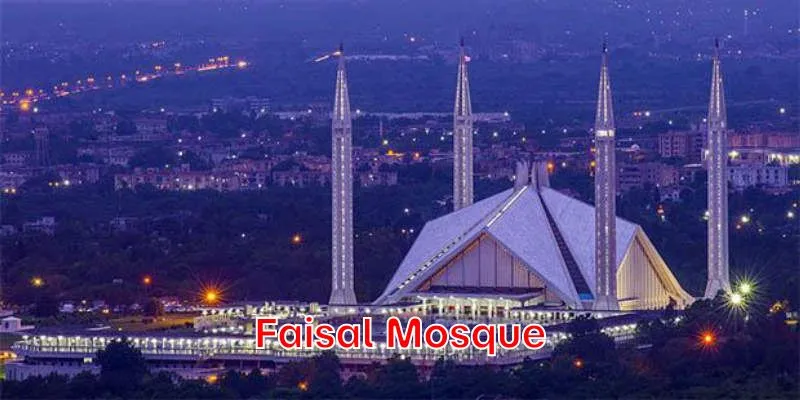
Nestled in the foothills of the majestic Margalla Hills, the Faisal Mosque in Islamabad is not only the largest mosque in Pakistan but also an architectural marvel. It stands as a symbol of modernity and spirituality combined seamlessly, captivating all who lay eyes on it.
A Vision of Modern Islamic Architecture
The Faisal Mosque was commissioned as a gift from the Saudi King Faisal bin Abdulaziz, after whom it is named. Designed by the renowned Turkish architect Vedat Dalokay, the mosque’s design breaks away from traditional mosque architecture, with an innovative and futuristic approach that retains a spiritual essence.
Unique Features
Unlike conventional mosques, the Faisal Mosque does not have a traditional dome. Instead, it features an eight-faceted, concrete shell that is reminiscent of a Bedouin tent, symbolizing the desert-dwelling roots of Islam. The mosque is equipped with four towering minarets, each standing at a height of 90 meters, piercing the skyline with grace and strength.
- Location: Islamabad, Pakistan
- Capacity: 100,000 worshipers in its main prayer hall and courtyard
- Architect: Vedat Dalokay
- Construction started: 1976
- Completed: 1986
The Atmosphere and Environment
Visitors to the Faisal Mosque can enjoy the peaceful serenity and a sense of profound tranquility that envelops the place. The well-manicured gardens and the backdrop of the Margalla Hills add to the mosque’s ethereal beauty. The mosque is at its most enchanting during the evening when it is illuminated, creating a breathtaking spectacle.
Cultural and Religious Significance
The mosque not only serves as a place of worship but also plays a vital role in the cultural and religious fabric of Pakistan. It hosts various religious seminars, cultural activities, and festivals, making it a pulsating heart of Islamabad’s spiritual life.
Mohenjo-daro
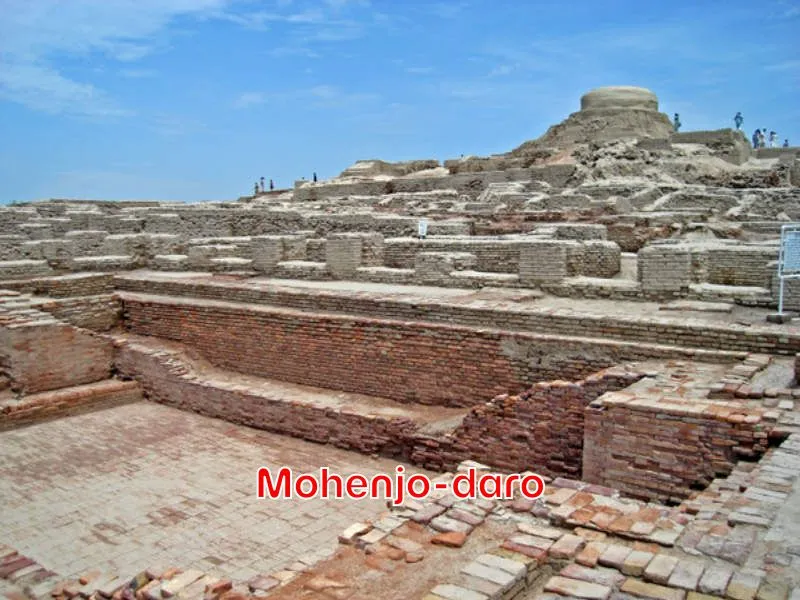
Hidden amidst the rolling plains of the Sindh province, Mohenjo-daro is one of the most significant archaeological sites in South Asia. Part of the ancient Indus Valley Civilization, this remarkable city once thrived over 4,500 years ago, exemplifying the richness of early urban life.
The Ancient City
Often referred to as the “Mound of the Dead,” Mohenjo-daro was remarkably advanced for its time, showcasing an urban planning system and social organization that was highly sophisticated. The city was designed with a well-structured grid pattern of streets, and it featured an intricate drainage system that many modern urban centers could envy.
Architectural Marvels
The complex houses a plethora of fascinating structures, including the Great Bath, a massive water tank that hints at the religious and cultural practices of its inhabitants. The location also features sturdy brick buildings, a testament to their architectural prowess.
Artifacts and Discoveries
Excavations have uncovered numerous artifacts, providing insights into the life and times of its people. From intricately crafted pottery to exquisite jewelry, these treasures offer a glimpse into the artistic and economic milestones of the Indus Valley Civilization.
- Pottery – Features geometric patterns and motifs.
- Seals – Illustrated with animals and inscriptions in the undeciphered script.
- Ornaments – Crafted from copper, bronze, and gold.
Visitor Information
Mohenjo-daro stands as a UNESCO World Heritage Site, drawing historians and tourists alike. While visiting, one can walk the ancient paths once trodden by the denizens of this lost city and feel the mysteries of a bygone era envelop them. It’s not just a visit; it’s a step back into a time almost forgotten by history.
Taxila

Welcome to Taxila, the ancient city that serves as a gateway to understanding the profound history of South Asia. Located in the province of Punjab, Pakistan, Taxila is a UNESCO World Heritage Site that holds a mystical allure for history buffs, archaeology enthusiasts, and cultural explorers.
Historical Significance
Taxila is a treasure trove of Buddhist heritage and ancient ruins, dating back to around 1000 BCE. Once a thriving center for learning and culture, the city attracted scholars from all over the ancient world, including the great philosopher Chanakya and the renowned Buddhist scholar Nagarjuna.
Archaeological Sites
- Jaulian: A well-preserved monastery complex that showcases exquisite stupas and sculptures.
- Sirkap: Explore the evidences of multiple cultural influences from the Greek, Parthian, and Kushan empires in this fortified city.
- Dharmarajika Stupa: One of the oldest stupas, believed to house the relics of Buddha, a site of deep religious significance.
Museum of Taxila
The Taxila Museum is a must-visit stop that beautifully displays an extensive collection of Gandharan art and ancient relics. The museum provides insightful context to the grandeur and cultural melding that characterized Taxila at its zenith.
Tips for Visitors
To fully experience Taxila, plan a visit during the cooler months from October to March. Wear comfortable shoes as there are plenty of ruins to explore, and make sure to indulge in learning the rich tapestry of history that this ancient city has to offer.
Naltar Valley

Hidden in the breathtaking landscapes of Pakistan, Naltar Valley is a paradise for nature enthusiasts. This valley is known for its pristine beauty and offers a serene escape from the hustle and bustle of city life.
Why Visit Naltar Valley?
Naltar Valley is renowned for its lush pine forests, crystal-clear lakes, and picturesque trails that are perfect for hiking and adventure. The valley transforms with the changing seasons, offering spectacular scenery whether covered in the snowy embrace of winter or the vibrant hues of spring and summer.
Highlights of Naltar Valley
- Naltar Lakes: Known as the ‘Bashkiri Lakes’, these three lakes are set amidst majestic mountains and are a must-visit for anyone traveling to the valley. The reflection of the surrounding peaks on the water’s surface is a sight to behold.
- Wildlife: Naltar Valley is also home to diverse wildlife. If you’re lucky, you might catch a glimpse of the rare snow leopards or ibexes that inhabit the region.
- Starry Nights: Away from city lights, the valley offers some of the clearest night skies, making it an ideal spot for stargazing.
Best Time to Visit
To fully experience the charm of Naltar Valley, plan your visit between April and October. During these months, the weather is pleasant, and the valley is accessible by road. However, if you want to experience the fairy-tale winter wonderland, visiting in winter is also an option, though accessibility might be limited.
Tips for Travelers
- Pack warm clothing regardless of the season, as temperatures can drop significantly at night.
- Consider hiring a local guide for trekking tours, as they can enrich your experience with their knowledge.
- Respect the natural surroundings and preserve the beauty of this magical place for generations to come.
Neelum Valley

Located in the northern region of Azad Kashmir, Neelum Valley is a true testament to nature’s unspoiled beauty. Often dubbed “Paradise on Earth,” this valley offers a serene landscape surrounded by lush green hills, crystal-clear streams, and dense forests, making it an ideal escape for nature lovers.
What to Expect
Visitors to Neelum Valley can expect a moderate climate that is perfect for outdoor activities. During the summer months, temperatures are comfortably cool, while the winter brings a magical blanket of snow. Whatever the season, Neelum Valley promises breathtaking views and a tranquil atmosphere.
Must-Visit Spots
- Keran: Famous for its scenic beauty and clear rivers.
- Sharda: Known for its ancient ruins and picturesque landscapes.
- Arang Kel: A verdant mountain resort perched on a hilltop, offering panoramic views.
- Ratti Gali Lake: A stunning alpine lake that is a haven for trekkers.
Travel Tips
For an optimal experience, visitors should plan their trips between April and September to enjoy the lush greenery and floral blooms. Those wishing to venture during the winter should prepare for colder conditions and possible road closures due to snow.
Neelum Valley is not just a destination; it’s an experience that captivates the heart and soul. Whether you’re seeking adventure, peace, or a glimpse into the rich cultural heritage of Pakistan, Neelum Valley has something to offer every traveler.
