
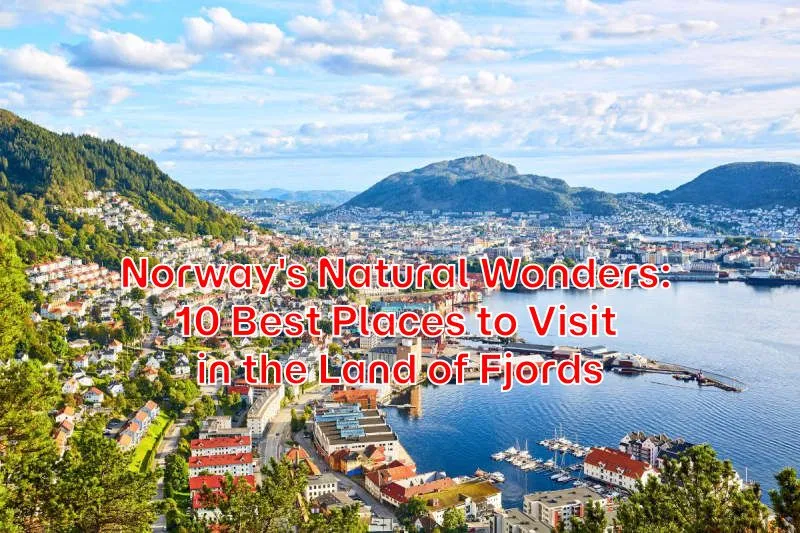
When you think of a country that offers the epitome of breathtaking natural beauty, Norway instantly comes to mind. With its cascading waterfalls, majestic mountains, and serene fjords, Norway is a dream destination for those yearning to experience untouched nature. In this article, we take you on an enchanting journey to explore Norway’s natural wonders, highlighting the 10 best places to visit in the land of fjords.
Known for its picturesque landscapes and stunning scenery, Norway promises a spellbinding experience like no other. Each location tells its own story, painted by the elements over millennia. Whether you’re an adventurous hiker or simply wish to bask in nature’s tranquility, this guide will ensure you immerse yourself fully in Norway’s unparalleled beauty. From the world-famous Geirangerfjord to the mystical Northern Lights, let’s uncover the secrets of Norway’s natural allure.
Oslo
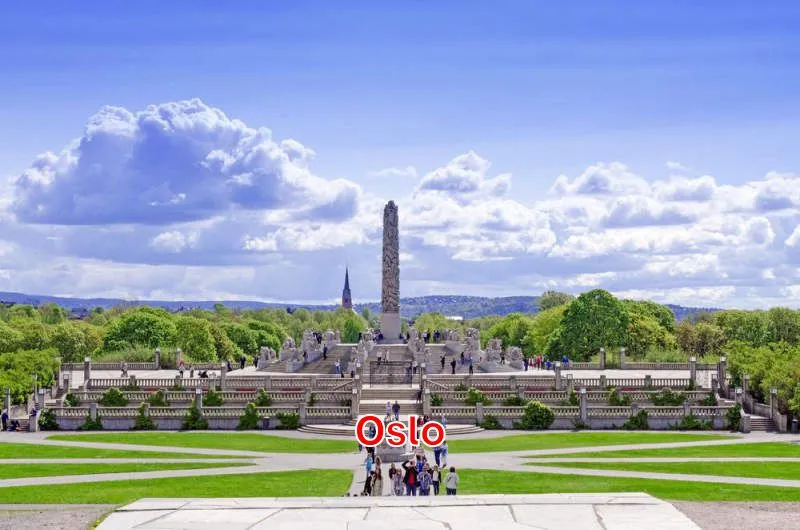
Nestled between the stunning Oslofjord and lush forested hills, Oslo combines modern urban living with breathtaking natural beauty. As the capital city of Norway, Oslo is a vibrant hub of culture, commerce, and innovation, offering a plethora of experiences for every traveler.
Exploring Oslo’s Rich Cultural Scene
Oslo is home to world-renowned museums and galleries. Art enthusiasts should not miss the Vigeland Museum and the Norwegian National Gallery, where the genius of Edvard Munch, creator of “The Scream”, is on display. Furthermore, the Oslo Opera House stands as a masterpiece of modern architecture, inviting visitors to walk on its roof to enjoy panoramic views of the city.
The Serenity of Oslofjord
No visit to Oslo would be complete without a cruise along the majestic Oslofjord. This serene waterway offers glimpses of picturesque islands, charming lighthouses, and tranquil harbors. It’s a perfect escape from the bustling city life, easily accessible by various tour operators running regular routes.
Culinary Delights
Oslo’s culinary scene is a delightful fusion of traditional and contemporary flavors. Be sure to try Norwegian seafood in the city’s top restaurants. For an authentic experience, visit the Mathallen Food Hall, where you can sample local delicacies and international cuisines in a lively marketplace setting.
Outdoor Activities
The surrounding forests and hills are perfect for outdoor enthusiasts. Whether it’s hiking in the summer or skiing in the winter, Oslo provides endless opportunities for adventure. The Nordmarka forest is a local favorite, offering well-marked trails for all skill levels.
Oslo’s unique blend of urban sophistication and natural beauty makes it a must-visit destination for those exploring Norway. Whether you’re drawn by its rich cultural offerings or the allure of its scenic landscapes, Oslo promises an unforgettable retreat in the heart of Scandinavia.
Bergen
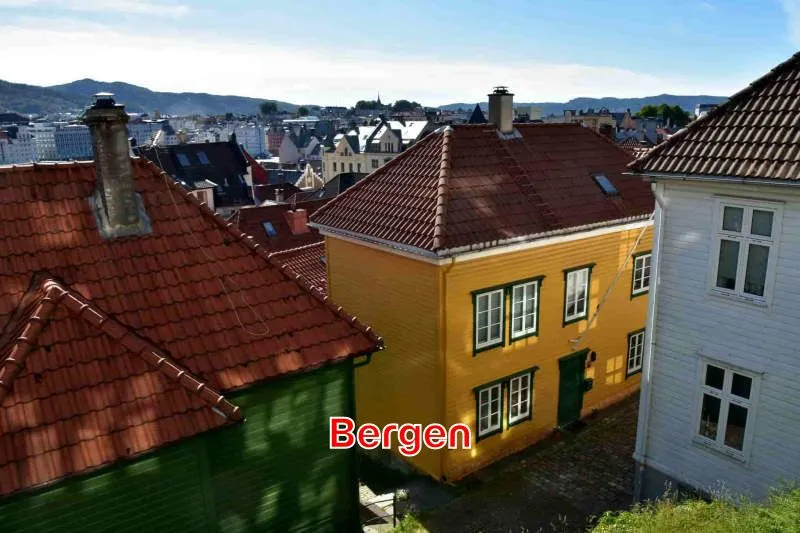
Nestled between majestic mountains and the sea, Bergen is often referred to as the “Gateway to the Fjords.” This charming city, known for its rich maritime history, offers a captivating blend of cultural attractions and natural beauty.
Bryggen Wharf: A UNESCO World Heritage Site
The Bryggen Wharf is a must-visit in Bergen, with its colorful wooden houses that line the historic harbor. These ancient structures transport you back to the days of the Hanseatic League when Bergen was a bustling trading center. Meandering through this area, visitors can explore quaint shops, cozy cafes, and fascinating museums.
Explore Mount Fløyen
For those who crave scenic views, a trip to Mount Fløyen is essential. Accessible via a funicular ride, the summit offers panoramic views of the cityscape, fjords, and surrounding islands. Be sure to spend some time exploring the hiking trails that meander through lush forests and beautiful landscapes.
Fløyen Trail Highlights:
- Stunning viewpoints
- Family-friendly paths
- Nature trails with unique flora
Bergen Fish Market
No trip to Bergen is complete without stopping by the Bergen Fish Market. Here, guests can savor some of Norway’s freshest seafood, and sample local delicacies such as smoked salmon, prawns, and fish soup. It’s a culinary paradise for seafood lovers and a vibrant spot to soak in the local culture.
Geirangerfjord
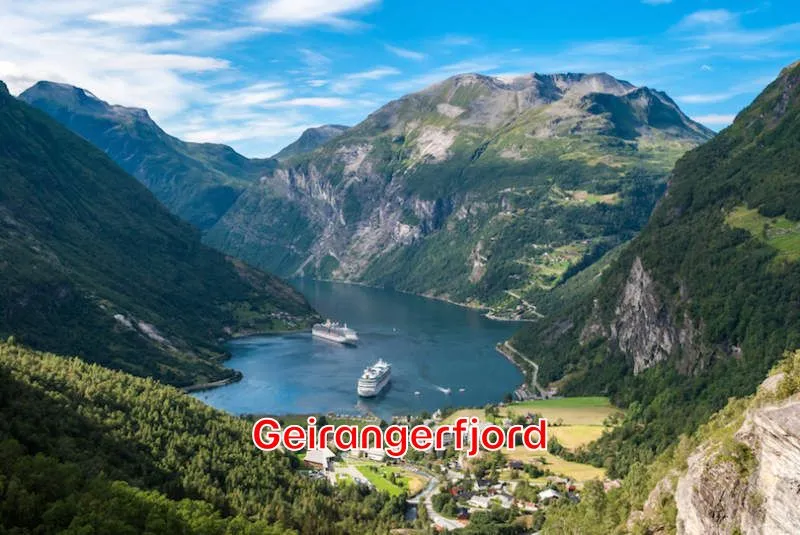
Situated in the heart of fjord country, Geirangerfjord is often regarded as the crown jewel of Norway’s strikingly beautiful natural landscapes. Carved out by glacial activity over thousands of years, this UNESCO World Heritage Site is renowned for its stunning scenery, including majestic waterfalls, towering cliffs, and verdant valleys.
The Enchanting Waterfalls
Geirangerfjord is home to some of the world’s most awe-inspiring waterfalls. The “Seven Sisters” waterfall is a must-see, where seven separate streams cascade down a 250-meter cliff. Opposite to it, the “Suitor” waterfall is purportedly trying to court the sisters across the fjord. These natural wonders offer a picturesque setting that is perfect for both photography enthusiasts and nature lovers.
Activities and Experiences
Visitors can explore Geirangerfjord’s beauty by embarking on a fjord cruise or renting a kayak to get up close to the powerful waterfalls. For those who love hiking, the surrounding hills and valleys offer numerous trails with breathtaking panoramic views. Flydalsjuvet viewpoint and Dalsnibba summit are among the popular spots for capturing the essence of the fjord’s dramatic landscape.
Quick Facts
- Location: Møre og Romsdal county, Norway
- Length: Approximately 15 kilometers
- Significance: UNESCO World Heritage Site
The beauty of Geirangerfjord is timeless and captivates every soul that visits its shores. Whether you are drawn to its imposing natural features or its serene, untouched charm, this fjord promises to leave an indelible mark on your memories.
Lofoten Islands
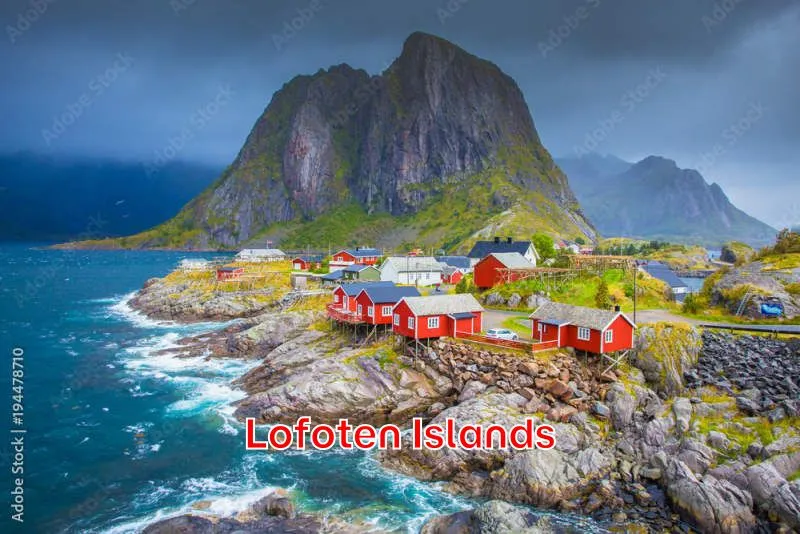
Welcome to the Lofoten Islands, a destination that promises breathtaking landscapes and a deep dive into nature’s finest artistry. Nestled above the Arctic Circle, the Lofoten archipelago offers some of the most spectacular scenery in Norway, characterized by dramatic peaks, sheltered bays, and picturesque villages.
Stunning Natural Features
The islands are renowned for their distinctive mountainous backdrop. Majestic peaks rise directly from the sea, creating a stunning skyline that is both powerful and serene. This is a paradise for hikers and climbers alike, with numerous trails offering unparalleled vistas across the emerald waters and jagged ridges.
A Haven for Wildlife
Besides its geological wonders, the Lofoten Islands are also a haven for unique wildlife. Birdwatchers will be delighted by the sight of sea eagles soaring above while pods of whales can often be spotted off the coast, offering a glimpse into the abundance of life thriving in these cold waters.
Cultural Richness
The islands are not just about natural beauty. The rich Norse history and vibrant local culture offer a unique charm. The villages are dotted with traditional red and white fisherman cabins known as Rorbuer, echoing the strong fishing heritage of these islands.
- The village of Reine is often hailed as the most beautiful, with its colorful homes set against a backdrop of razor-edged peaks.
- Svolvær, the gateway to Lofoten, hosts a variety of cultural and adventure activities.
- Explore the Museums to delve deeper into the history and legends that shape the islands.
Adventure Awaits
For those seeking adventure, opportunities abound: kayaking through serene waters, cycling across scenic paths, and even attempting arctic surfing on the wild beaches. The midnight sun in summer and the enchanting Northern Lights in winter make Lofoten a year-round destination.
| Season | Activities | Temperature |
|---|---|---|
| Summer | Hiking, Fishing, Kayaking | 10°C – 15°C |
| Winter | Northern Lights, Skiing, Hiking | -1°C – 2°C |
In essence, the Lofoten Islands offer a perfect blend of nature, culture, and adventure, making it a must-visit for any travel enthusiast exploring the Nordic landscapes.
Tromsø
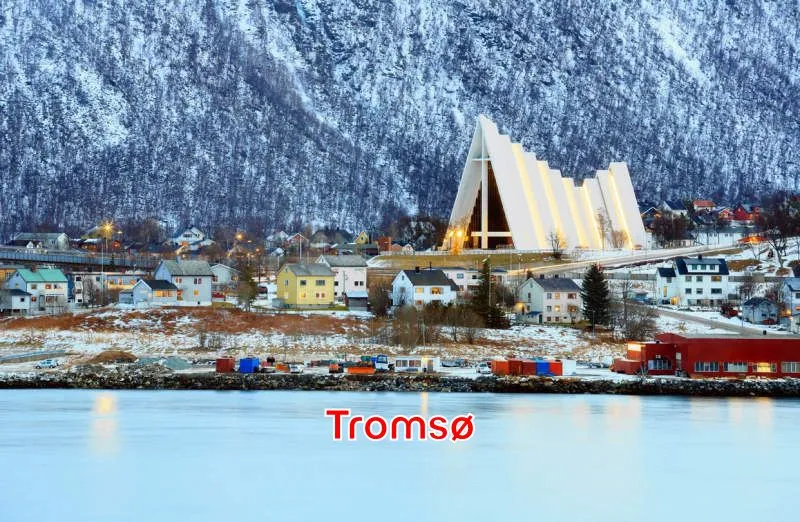
Located within the Arctic Circle, Tromsø is a vibrant city known for its stunning natural landscapes and dynamic cultural scene. As the largest city in Northern Norway, it serves as a major hub for those seeking to explore the Arctic wilderness.
Experience the Northern Lights
Tromsø is one of the best places in the world to witness the Aurora Borealis, or Northern Lights. The mesmerizing display of lights can be seen from September to April, with the most optimal viewing times between late autumn and early spring. Whether you’re viewing them from the city center or embarking on a guided tour into the surrounding countryside, Tromsø offers unforgettable experiences for those looking to glimpse this stunning natural wonder.
Explore Tromsø’s Unique Culture
The city is not only about natural beauty but also offers a rich dose of culture. The annual Tromsø International Film Festival, set in January, draws filmmakers and audiences from around the globe, while the city’s many museums, such as the Polaria and the Tromsø Museum, provide insights into Arctic life and culture.
Must-Visit Attractions
- Arctic Cathedral – Known for its striking modern architecture, this cathedral is a symbol of the city.
- Fjellheisen Cable Car – Provides panoramic views of Tromsø and the surrounding fjords.
- Mack Brewery – Visit the northernmost brewery in the world and enjoy a tasting session.
Adventure in the Arctic Wilderness
A month in Tromsø isn’t just about the sights and culture; it’s also about adventure. Engage in thrilling activities such as dog sledding, snowmobiling, and whale watching. For the more leisurely inclined, hiking under the midnight sun during the summer months offers its own charms.
Stavanger
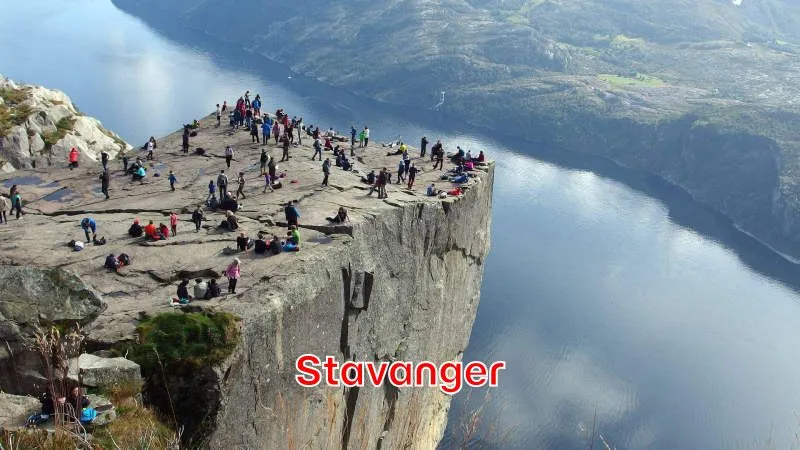
As the gateway to the Lysefjord and home to some of Norway’s most stunning natural attractions, Stavanger captivates visitors with its unique blend of urban culture and breathtaking landscapes. Known as the Oil Capital of Norway, this vibrant city does not only thrive on its rich industrial history but also on its thriving art scene and lively waterfront.
Historic Charm and Modern Vibe
The city’s historic core, known as Gamle Stavanger, is a must-see for anyone visiting the area. This picturesque district boasts well-preserved wooden houses from the 18th and 19th centuries. Walking along its cobblestone streets, you can soak up the charm of these antique structures, some of which house delightful cafés, shops, and galleries.
Stavanger is also renowned for its Norwegian Petroleum Museum, offering visitors intriguing insights into the country’s pivotal oil industry. The museum features interactive exhibits and astonishing displays that reveal the economic transformation brought by the oil discovery in the North Sea.
Natural Wonders Await
For nature enthusiasts, Stavanger serves as a perfect base for exploring the surrounding natural wonders. Within a short distance lies one of Norway’s most famous hiking destinations, Preikestolen (Pulpit Rock). This majestic vista offers sweeping views of the Lysefjord and is an adventure loved by hikers from all over the world.
- Location: Southwest Norway
- Population: Approximately 140,000
- Main highlights: Lysefjord, Gamle Stavanger, Norwegian Petroleum Museum
Whether you’re intrigued by its rich history or drawn by its striking natural beauty, Stavanger promises an unforgettable experience blending the old with the new in the heart of Norway’s majestic landscapes.
Preikestolen (Pulpit Rock)
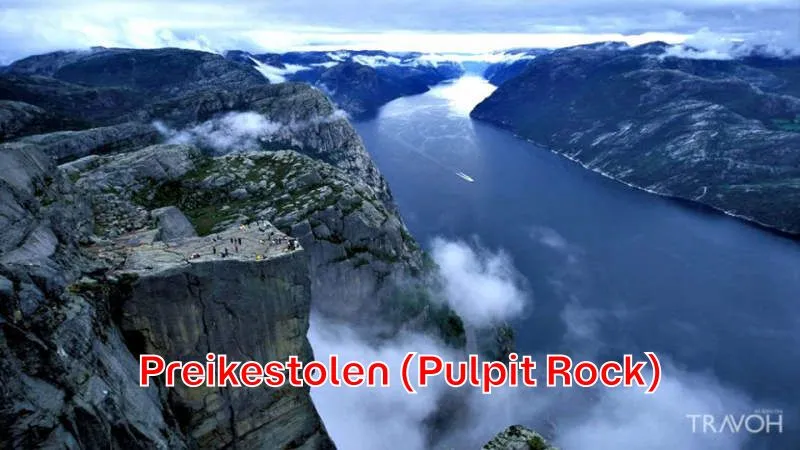
Preikestolen, also known as Pulpit Rock, is one of Norway’s most iconic natural landmarks. Perched 604 meters above the stunning Lysefjord, this majestic rock formation offers breathtaking panoramic views that attract thousands of hikers and nature enthusiasts from around the world every year.
Getting There
To reach Preikestolen, travelers typically start their journey from the city of Stavanger. From there, a combination of ferry and bus rides will bring you to the base of the trail at the Preikestolen Mountain Lodge. The hike itself is approximately 8 kilometers, round trip, and takes around 4 to 5 hours to complete.
The Hike
The hike to Preikestolen is moderately challenging, featuring steep inclines and rocky terrain. However, the path is well-marked and maintained, making it accessible for those with a reasonable level of fitness.
- Distance: 8 kilometers (round trip)
- Elevation Gain: Approximately 350 meters
- Difficulty: Moderate
- Duration: 4-5 hours
Best Time to Visit
The best time to visit Pulpit Rock is between April and October when conditions are ideal for hiking. During this period, you’ll find daylight extended until late evening, allowing ample time to fully appreciate the surrounding scenery.
For those seeking an even more unique experience, consider starting your hike at dawn to witness an unforgettable sunrise over the fjord, or alternatively, embark on a less crowded evening hike.
Safety Tips
While the view from the top is unparalleled, it’s crucial to exercise caution near the edge due to the steep drop. Always check weather forecasts before starting your hike to ensure safe conditions.
Hardangerfjord
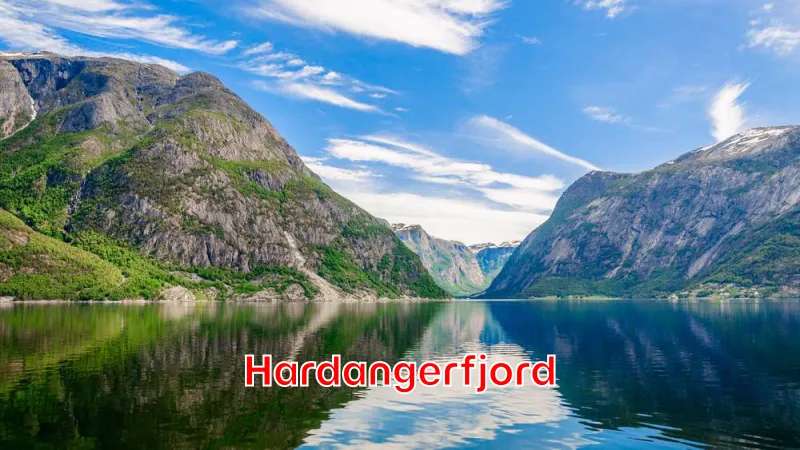
Nestled in the heart of Norway, Hardangerfjord offers a gateway to some of the country’s most stunning natural scenery. Known as the “Queen of the Fjords,” it stretches over 179 kilometers, making it the third longest fjord in the world. This majestic waterway not only boasts breathtaking vistas but is also surrounded by vibrant cultural experiences.
Scenic Beauty
The diverse landscapes of Hardangerfjord are nothing short of spectacular. From towering mountains and thundering waterfalls to idyllic fruit orchards and tranquil waters, every corner is a sight to behold. A popular way to take in the scenery is by embarking on a fjord cruise, allowing visitors to immerse themselves fully in the serene environment.
Cultural Richness
The region is steeped in tradition and offers a glimpse into Norway’s rural life. Visitors can explore quaint villages such as Ulvik and Odda, where local produce and traditional crafts are abundant. The area’s rich history and cultural heritage make it a compelling destination for those interested in more than just natural beauty.
Activities
Hardangerfjord is not just about leisurely sightseeing; it offers a plethora of activities for the adventurous at heart. Here’s a quick list of what you can do:
- Hiking: Explore numerous trails that cater to all levels of hikers.
- Fishing: Join a local fishing tour for an authentic Norwegian experience.
- Fruit Picking: Visit during summer and enjoy the sweet bounty of the hardanger fruits.
- Cider Tasting: Try the locally-produced cider, a famed specialty of the region.
North Cape
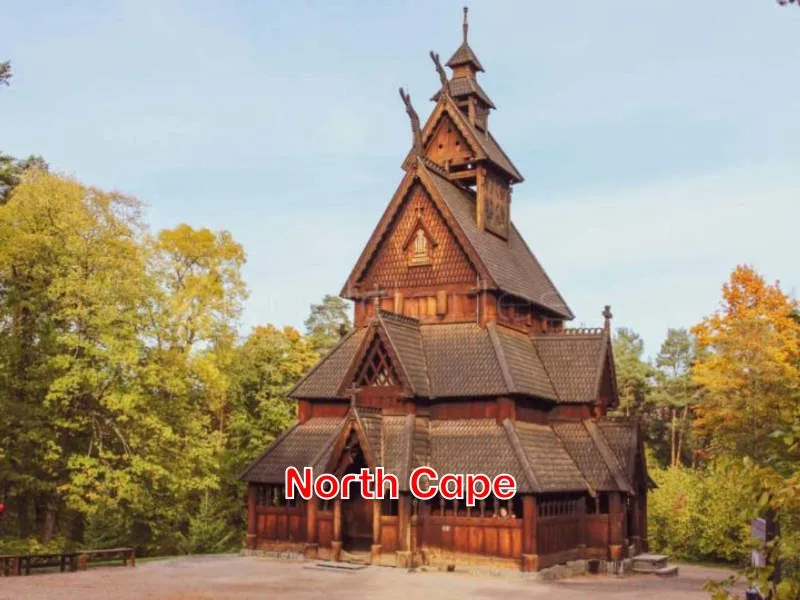
Perched at the northernmost tip of mainland Europe, the North Cape offers a breathtaking view that is unlike any other. Known locally as Nordkapp, this rugged destination stands as one of Norway’s most iconic landmarks. This spectacular area is primarily visited during the summer months when the Midnight Sun casts a warm glow across the untamed landscape, allowing for a surreal experience that defies the usual day-night cycle.
Journey to the Edge of the World
Visiting the North Cape is akin to embarking on an adventure to the edge of the world. Travelers often arrive via Honningsvåg, the closest town, either by road or as part of a cruise ship itinerary. The North Cape plateau stands over a steep cliff that plunges into the Arctic Ocean, offering a panoramic view that showcases the raw beauty of the Arctic environment.
Experience the Natural Phenomena
One of the North Cape’s main attractions is witnessing natural phenomena such as the Aurora Borealis during the winter months and the endless daylight of the Midnight Sun from May to July. These phenomena paint the sky with vibrant colors, providing a fantastic photo opportunity and a once-in-a-lifetime experience.
North Cape Hall
After taking in the natural beauty, visitors can retreat to the North Cape Hall. This modern facility includes a restaurant, a gift shop, a post office where you can send postcards home with a special North Cape postmark, and an exciting multimedia presentation about the region’s history and culture.
Quick Facts About North Cape
| Feature | Description |
|---|---|
| Location | 71°10’21” N, on the island of Magerøya in Finnmark |
| Height | 307 meters (1,007 feet) above sea level |
| Best Time to Visit | May to July for the Midnight Sun, October to March for the Northern Lights |
Flåm Railway
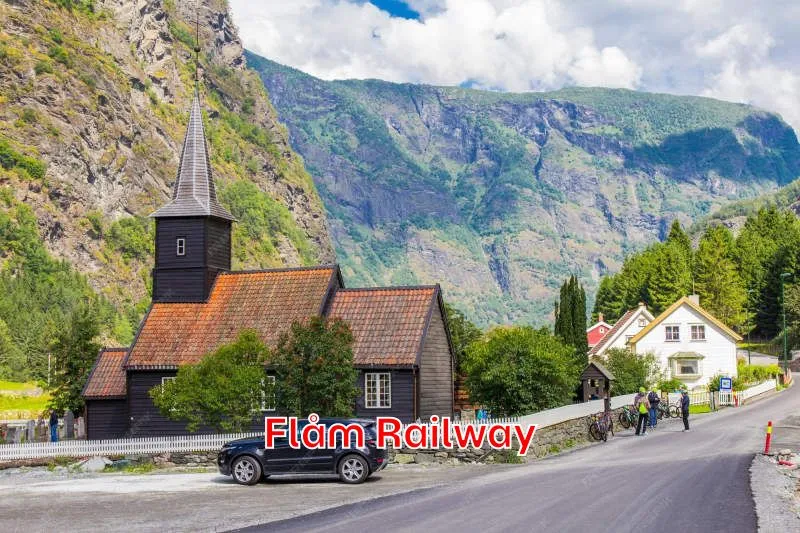
Nestled in the heart of Norway, the Flåm Railway is not just a train ride; it’s an adventure through some of the country’s most breathtaking scenery. Stretching only 20 kilometers from the fjordside village of Flåm to the mountainous destination of Myrdal, this iconic railway is known for its dramatic elevation changes and stunning vistas.
The Journey
Beginning in Flåm, located at the end of Aurlandsfjord, a branch of the world’s second largest fjord, Sognefjord, the train travels through lush valleys and rugged mountains. The ascent takes passengers from sea level to 867 meters, offering panoramic views of waterfalls, deep ravines, and quaint farms along the way.
A Marvel of Engineering
Completed in 1940, the construction of the Flåm Railway posed significant challenges due to the steep and unforgiving terrain. The track includes 20 tunnels, most of which were built by hand, highlighting the incredible engineering feats involved. It’s no wonder this railway is often referred to as one of the most beautiful train journeys in the world.
Must-See Highlights
- Kjosfossen Waterfall: As the train stops here, passengers are treated to a close-up view of this stunning waterfall, a highlight of the journey.
- Myrdal Station: At the journey’s end, Myrdal serves as a junction for further travel into other scenic parts of Norway, or for adventurous hikes in the surrounding area.
When to Visit
The Flåm Railway operates all year round, with each season offering its own unique beauty. During summer, the lush greenery and vibrant flowers dominate the landscape, while winter transforms the route into a snowy wonderland. Regardless of the season, a ride on this train promises an unforgettable glimpse into the natural wonders of Norway.
