
Are you ready to embark on a journey through one of the most enchanting countries in the world? In our comprehensive guide, we’re inviting you to explore the 10 best places to visit in France—a destination that seamlessly intertwines rich history, stunning landscapes, and exquisite cuisine. Whether you’re a first-time visitor or a seasoned traveler, France offers a treasure trove of experiences waiting to be discovered.
From the romantic streets of Paris, with its iconic Eiffel Tower and world-class museums, to the sun-drenched beaches of the French Riviera, our guide showcases the must-visit destinations that promise to captivate your heart. Prepare to delve into the cultural tapestry of this incredible nation, where every region boasts its own unique charm. Pack your bags and join us as we reveal hidden gems and tourist favorites alike in this enchanting corner of Europe. Get ready to be inspired!
Eiffel Tower

The Eiffel Tower is an iconic symbol of Paris and a must-visit destination for anyone traveling to France. Standing at a staggering height of 324 meters, it is not only a masterpiece of engineering but also a testament to the artistic finesse of the late 19th century. Constructed between 1887 and 1889, the tower was initially critiqued, yet it has since become a beloved landmark visited by millions each year.
History and Significance
Designed by the renowned engineer Gustave Eiffel, the Eiffel Tower was opened to serve as the entrance arch for the 1889 World’s Fair held in Paris. It is constructed primarily of wrought iron, and it showcases the industrial capabilities of its time. Despite its initial controversy, today, it is viewed as a cultural icon and is one of the most visited monuments globally.
Visiting Tips
- Best Time to Visit: Early morning or late afternoon to beat the crowds.
- Ticket Booking: Book tickets online in advance to avoid long queues.
- Lift or Stairs: Choose between an elevator ride to the top or a stair climb to the second floor for a different experience.
Experience the View
One of the highlights of visiting the Eiffel Tower is the breathtaking view of Paris from the top. Visitors can enjoy panoramic views that include the Seine River, Notre-Dame Cathedral, and distant Montmartre. A visit to the top is truly an experience that encapsulates the magic of Paris.
Restaurant and Souvenirs
The tower also houses fine dining restaurants, such as Le Jules Verne, where you can experience exquisite French cuisine while enjoying the view. Don’t miss out on purchasing souvenirs from the shops within the tower to take keepsakes home!
Louvre Museum

Located in the heart of Paris, the Louvre Museum is the world’s largest and perhaps the most well-known art museum. With its iconic glass pyramid entrance, the Louvre stands as a magnificent blend of history and modernity, attracting millions of visitors each year.
The museum is home to an unparalleled collection of art and historical artifacts spanning over nine millennia. Among its most celebrated treasures are the Mona Lisa, the ancient Greek statue Venus de Milo, and the Winged Victory of Samothrace. Whether you’re an art enthusiast or a casual visitor, the Louvre offers an unforgettable experience.
History and Architecture
The Louvre Palace began as a fortress in the late 12th century and gradually transformed into the royal palace of French kings. Eventually, it was designated as a public museum in the late 18th century. Today, its architecture reflects a combination of medieval elements, classical Renaissance features, and contemporary aesthetics, making it a must-see on the architectural front as well.
Visitor Information
- Opening Hours: Wednesday to Monday from 9 AM to 6 PM (closed on Tuesdays and public holidays).
- Tickets: It is recommended to book in advance to ensure entry, especially during the high tourist season.
- Accessibility: The museum offers guided tours and accessibility options for differently-abled visitors.
Visiting the Louvre requires some planning due to its immense size and the sheer volume of its collections. Consider setting aside at least half a day to explore its vast galleries, and don’t forget to download the official Louvre app to guide your journey through this emblematic venue.
Versailles Palace
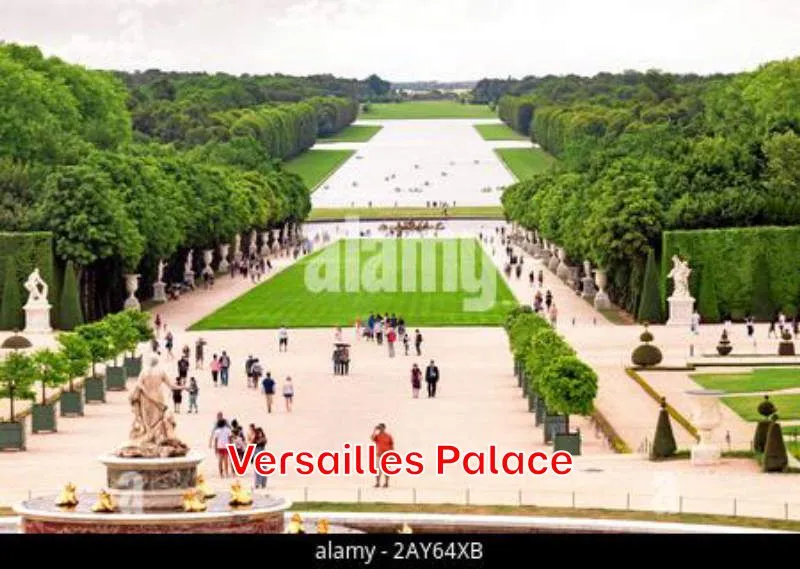
The Versailles Palace, known for its sheer grandeur and opulence, stands as a testament to the absolute power once wielded by French monarchs. This iconic symbol of France’s ancien régime is located just a short train ride from Paris, making it easily accessible for those eager to delve into the country’s royal history.
History of Versailles
Originally a hunting lodge for King Louis XIII, Versailles underwent significant transformation when his son, King Louis XIV, decided to expand it into the majestic palace we recognize today. The Sun King’s vision was to demonstrate his power and create a monumental center of art and culture, ultimately finishing in the late 17th century. It’s not just a palace; it’s an architectural masterpiece that reflects the absolute monarchy era in France.
Main Attractions
- The Hall of Mirrors: Arguably the most famous room in the palace, the Hall of Mirrors played host to grandiose events and the signing of major treaties, including the end of World War I.
- The Royal Apartments: Consisting of the King and Queen’s private chambers, these rooms display elaborate decorations and furnishings depicting the luxurious living of French royalty.
- The Gardens: Spread over 800 hectares, the meticulously landscaped gardens are a breathtaking experience, boasting fountains, statues, and geometrically aligned bushes that exemplify 17th-century garden design.
Interesting Facts
| Year | Event |
|---|---|
| 1682 | Versailles became the official residence of the court and government of France. |
| 1837 | Opened as a museum dedicated to all the glories of France by King Louis-Philippe. |
Today, the Versailles Palace attracts millions of visitors annually, all eager to witness the grandeur that once dominated French society. Whether you’re enchanted by the rich tapestry of art, or the intriguing history intertwined within its walls, a visit to Versailles is truly a captivating excursion into the heart of French legacy.
French Riviera
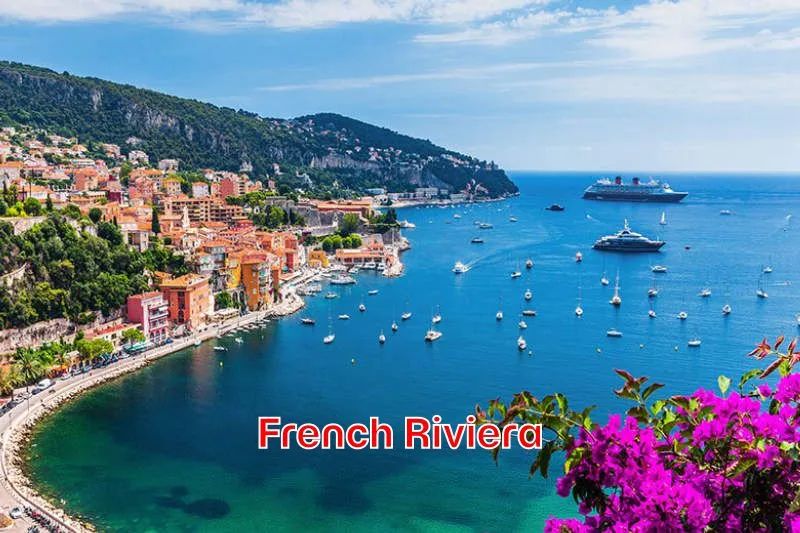
The French Riviera, also known as the Côte d’Azur, is a glamorous stretch of Mediterranean coastline in the southeastern corner of France. Known for its stunning landscapes, sun-kissed beaches, and vibrant culture, the French Riviera has long been a playground for the rich and famous. From the historic charm of Nice to the opulence of Monaco, this area offers a wide array of experiences for every traveler.
A Glittering Getaway
Often marked by its luxurious resorts and high-end shopping, the French Riviera is synonymous with elegance. Locations like Saint-Tropez and Cannes are famous for attracting celebrities, offering ritzy boutiques, and hosting world-renowned events such as the Cannes Film Festival. These locales offer a perfect mix of sophistication and seaside leisure.
Beaches and Beyond
While the beaches are certainly a highlight, the French Riviera offers much more than just sunbathing. Explore the charming villages perched on the hillsides, such as Èze and Gourdon, with their quaint streets and stunning views. Don’t miss the chance to indulge in the region’s rich culinary traditions, with fresh seafood and Provençal dishes taking center stage.
Top Attractions
- Promenade des Anglais in Nice
- Casino Monte Carlo in Monaco
- The Picasso Museum in Antibes
- Villa Ephrussi de Rothschild in Saint-Jean-Cap-Ferrat
Whether you’re looking for glamour, culture, or natural beauty, the French Riviera ticks all the boxes, making it a must-visit destination on any trip to France.
Mont Saint-Michel
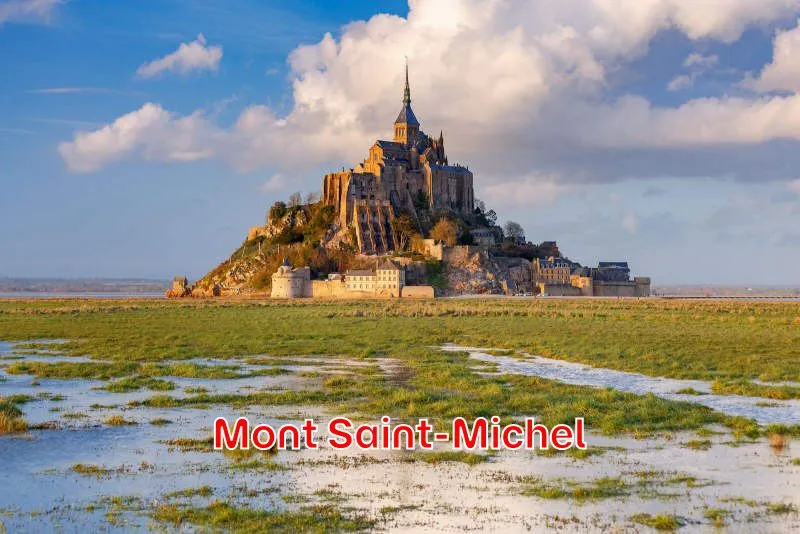
Rising majestically from the Normandy coast, Mont Saint-Michel is one of France’s most iconic landmarks. A UNESCO World Heritage Site, it is a medieval abbey perched on a rocky islet, surrounded by extensive sandbanks and tidal waves. This enchanting destination attracts millions of visitors every year, offering a unique blend of history, architecture, and natural beauty.
History and Architecture
The story of Mont Saint-Michel dates back to 708 AD when, according to legend, the Archangel Michael appeared to Aubert, Bishop of Avranches, and instructed him to build an oratory on the rock. Over the centuries, it grew into a stunning abbey with classical Gothic architecture. The centerpiece is the marvelous Abbey Church, which exemplifies the medieval monastic style.
Facts About Mont Saint-Michel:
- The island becomes accessible by a causeway, which is subject to tidal variations.
- The abbey was a strategic fortification during the Hundred Years’ War.
- Despite its many stairs, the climb to the top rewards visitors with panoramic views of the surrounding bays.
Planning Your Visit
If you plan to visit, it’s crucial to check the tide schedules in advance. The tides here are among the highest in Europe, and the difference between low and high tide can be dramatic. For the best experience, consider staying overnight in the nearby town of Pontorson to witness the magical silhouette of Mont Saint-Michel against the sunset and sunrise.
| Season | Weather |
|---|---|
| Spring (March to May) | Mild and blossoming |
| Summer (June to August) | Warm and popular with tourists |
| Autumn (September to November) | Cool and enchanting with autumn colors |
| Winter (December to February) | Chilly but peaceful and quiet |
Loire Valley Châteaux
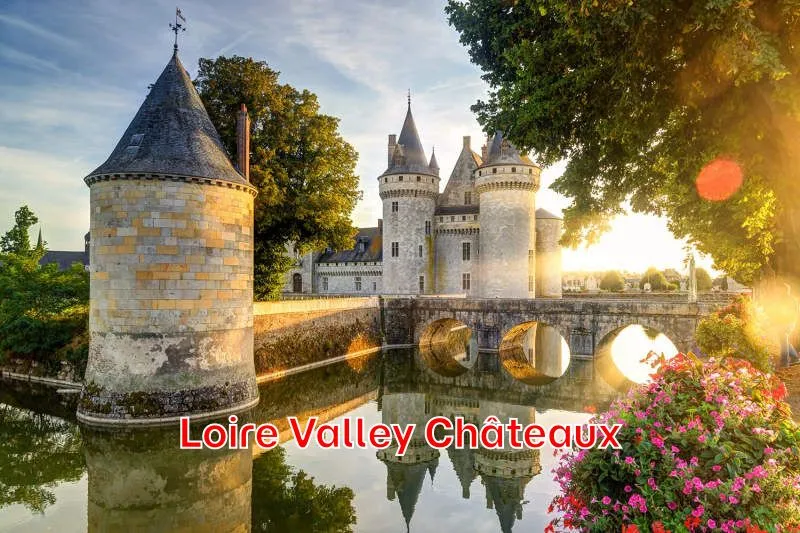
Known as the “Garden of France,” the Loire Valley is a region renowned for its breathtaking landscapes and an array of stunning châteaux that seem to have been lifted straight from a fairytale.
Historical Significance
During the Renaissance period, the Loire Valley was a playground for French royalty and nobility, who constructed some of its most famous castles. These structures not only serve as magnificent architectural wonders but also as timeless records of France’s cultural heritage.
Must-Visit Châteaux
- Château de Chambord: This architectural masterpiece is renowned for its distinctive French classical architecture and a stunning double helix staircase reputedly designed by Leonardo da Vinci.
- Château de Chenonceau: Often referred to as the “Castle of the Ladies,” it is built over the River Cher and celebrated for its exquisite gardens.
- Château de Villandry: Famous for its spectacular gardens, this château offers a splendid view into the harmony between nature and architecture.
Exploring the Region
The Loire Valley offers a plethora of activities that allow visitors to enjoy the scenic beauty and cultural splendor of the region. Whether you’re cycling the picturesque routes along the Loire River, indulging in local wines, or attending vibrant local festivals, there’s no shortage of things to see and do.
Planning Your Visit
To make the most of your trip, consider visiting between spring and early fall when the gardens are in full bloom and the weather is ideal for exploring the majestic estates. Many châteaux offer guided tours and multimedia exhibitions to enrich your experience.
Experience the Charm
The Loire Valley Châteaux are more than just historical sites; they are gateways to a world of enchantment where history, art, and nature converge beautifully. A visit to these châteaux promises a journey into the soul of French elegance and charm.
Gorges du Verdon
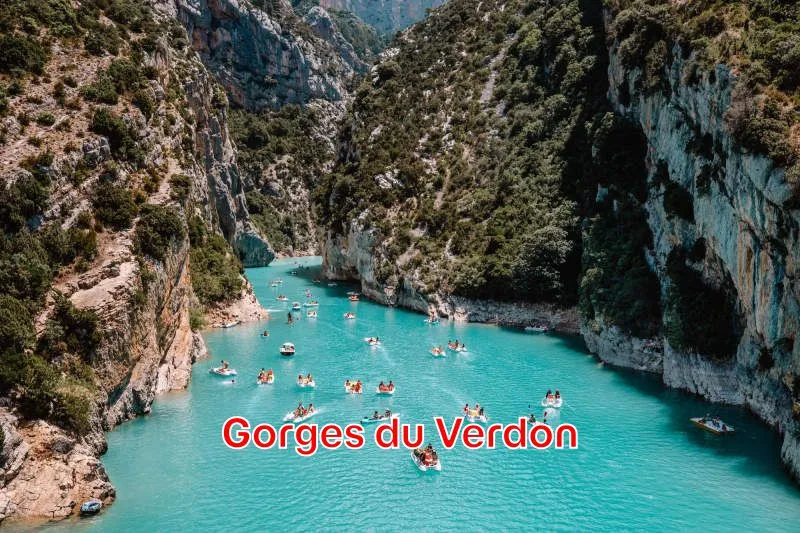
Known as the “Grand Canyon of Europe,” the Gorges du Verdon offers some of the most breathtaking vistas in southern France. Its striking turquoise waters and towering limestone cliffs encapsulate the beauty of nature, making it a must-visit for nature enthusiasts and adventure seekers alike.
Activities to Experience
- Kayaking through the crystalline waters for an immersive experience.
- Hiking the multiple trails that range from easy walks to more challenging routes along the cliffs.
- Rock climbing for thrill-seekers who wish to scale the dramatic limestone formations.
The geographical features of the Gorges du Verdon are complemented by a rich diversity of flora and fauna. The area is home to unique plant species and wildlife, which enhances its allure for outdoor enthusiasts.
Best Time to Visit
The ideal time to explore Gorges du Verdon is during the late spring and early autumn months, when the weather is warm, but not overbearingly hot, making outdoor activities more enjoyable.
Travel Tips
Visitors are advised to bring comfortable footwear and plenty of water, especially if they plan to partake in the longer hikes. For those interested in kayaking or other water activities, booking in advance is recommended to ensure availability.
Whether you are looking to engage in exhilarating activities or simply soak in the splendor of the natural landscapes, Gorges du Verdon promises an unforgettable experience in one of France’s most enchanting outdoor locations.
Champagne Region

When you think of champagne, the world-renowned sparkling wine, your mind is instantly transported to its birthplace, the Champagne Region of France. Nestled in the northeast part of the country, this region offers a unique blend of rich history, breathtaking landscapes, and a vibrant cultural tapestry.
What Makes Champagne Region Special?
The Champagne Region stands out due to its unique geological conditions, which are ideal for vine cultivation. The chalky soil and continental climate create the perfect environment for the grapevines that produce the world’s most beloved sparkling wine. The region itself is more than just a single destination; it spans several cities and villages, each with a distinct character and heritage.
Must-Visit Places
- Reims: Known for its magnificent Gothic cathedral where the kings of France were once crowned.
- Épernay: Often referred to as the ‘capital’ of champagne, where you can walk down the iconic Avenue de Champagne.
- Châlons-en-Champagne: Offers historical charm with its half-timbered houses and peaceful canals.
Experiencing Champagne Tastings
Visitors to the region can immerse themselves in champagne tastings offered by both renowned houses and smaller family-owned wineries. Each tasting provides a journey through the various types of champagne – from brut to rosé – allowing you to fully appreciate the nuances of this luxurious drink.
Seasonal Events
If you visit during the harvest season, which typically takes place in early autumn, you can witness the grape-picking ceremonies and even participate in some of the traditional festivities. This period brings a special vibrancy to the region, with numerous events to celebrate the new wine season.
A Glimpse into the Heritage
Beyond the bubbles, the Champagne Region has a deep history reflected in its UNESCO World Heritage sites, from the historical cellars to the esteemed vineyards. A visit here is not only about indulging in a glass but also understanding the centuries-old traditions that uphold this special winemaking art.
Provence
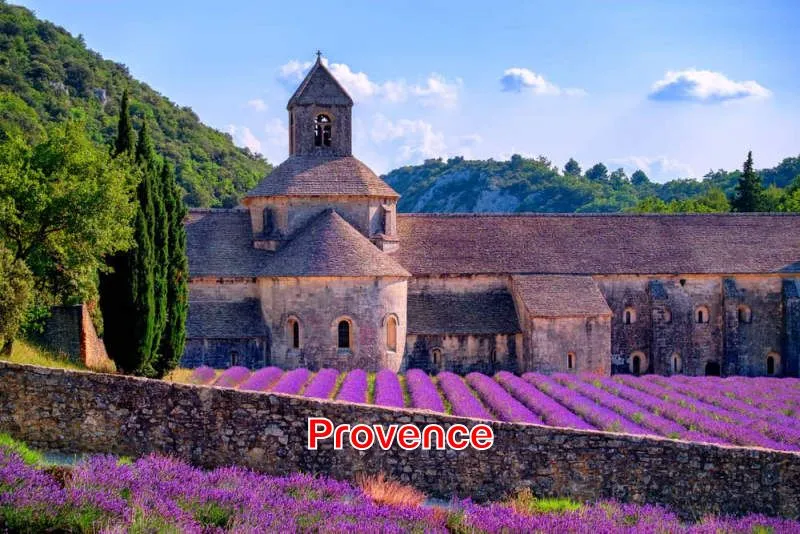
Provence is a region in southeastern France that showcases a dazzling mix of natural beauty, rich history, and unique culture. Whether you are interested in picturesque landscapes, charming villages, or delectable cuisine, Provence offers an unforgettable experience.
The Enchanting Lavender Fields
One of the most iconic sights in Provence is the lavender fields that bloom from June to August. The fields, especially in areas like Valensole and Sault, create a sea of purple stretching as far as the eye can see. They provide not only beautiful vistas but also the soothing scent of lavender, making it a sensory delight.
Charming Villages
Provence is dotted with quaint villages, each with its own distinct charm. From the hilltop village of Gordes to the artistic town of Saint-Paul-de-Vence, these villages offer a glimpse into the traditional Provençal way of life. Wander the cobblestone streets, explore ancient architecture, and enjoy the spontaneous friendliness of the locals.
Culinary Delights
Culinary enthusiasts will find a haven in Provence. The region is known for its gastronomic specialties such as bouillabaisse, ratatouille, and tapenade. Many restaurants pride themselves on using fresh local ingredients, so every meal is a masterpiece of flavors that capture the essence of Provence.
The Natural Beauty of Provence
Nature lovers will find plenty to admire. From the stunning Calanques National Park with its rocky inlets and azure waters to the rugged beauty of the Alpilles mountains, Provence is full of opportunities for outdoor adventures. Whether it’s hiking, exploring on a bicycle, or simply relaxing surrounded by breathtaking scenery, Provence has it all.
| Key Attractions | Highlights |
|---|---|
| Lavender Fields | Valensole, Sault |
| Villages | Gordes, Saint-Paul-de-Vence |
| Natural Parks | Calanques National Park, Alpilles |
When visiting Provence, you can easily immerse yourself in the vibes of southern France, where the pace is slower, the colors are vibrant, and the experiences are authentically delightful. Each corner you turn in Provence is sure to inspire and amaze, making it a must-visit destination in France.
Strasbourg
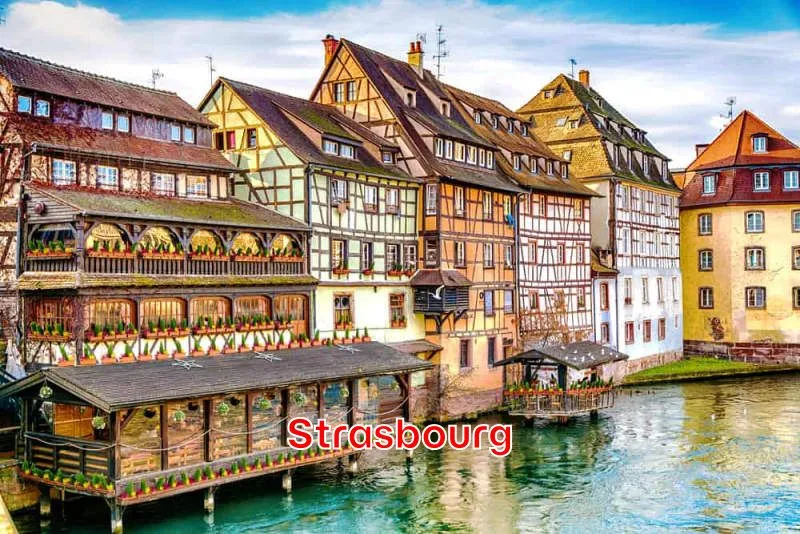
Nestled in the northeastern corner of France, Strasbourg is a city where European charm meets modern sophistication. Known for its rich culture and unique blend of French and German influences, Strasbourg offers a delightful experience for visitors.
Historic Grande Île
The city’s historic core, the Grande Île, is a UNESCO World Heritage site. Walking through its cobblestone streets feels like stepping back in time. Key landmarks include the stunning Strasbourg Cathedral, renowned for its intricate Gothic architecture and its famous astronomical clock.
Petite France
Another must-visit area is Petite France, a picturesque quarter famous for its half-timbered houses and quaint canals. This charming district was once home to tanners and millers and is perfect for a leisurely stroll or a relaxing boat tour.
European Parliament
Strasbourg is also the official seat of the European Parliament, underscoring its significance in European politics. Visitors can tour the parliament building to learn more about the workings of the European Union.
Culinary Delights
Food lovers will especially enjoy Strasbourg’s culinary scene, which offers a fusion of Alsatian and French cuisines. Don’t miss indulging in traditional dishes like choucroute garnie and flammekueche, accompanied by a glass of local Alsace wine.
Annual Events
- Christmas Market: One of the oldest and most famous in Europe, attracting visitors from around the world each December.
- Jazz Festival: An event featuring performances from renowned international and local artists.
