

Travel is changing in practical ways that affect how readers choose where to go, how they book, and what kind of trip feels worthwhile. Instead of chasing broad buzzwords, this article plan focuses on specific experiences that show real shifts in traveler behavior: slower transport, shoulder-season value, cooler climates, nature-positive choices, accessible planning, and deeper local culture.
The angle is deliberately different from a country-by-country destination list. Each section uses one place or bookable experience to explain a trend readers can act on today, with cautious notes on timing, costs, and logistics because availability, rules, and prices can change quickly.
Nightjet Sleeper Train from Vienna to Venice

The Nightjet sleeper from Vienna to Venice is worth riding because it turns the connection between two iconic European capitals into a low-emission overnight journey, reflecting a wider shift in Europe toward rail-first travel as an alternative to short-haul flights. It departs Vienna in the evening and delivers travelers into Venice the following morning, saving a hotel night while avoiding airport queues, transfers, and luggage limits.
On board, travelers can choose between seats, couchettes, and private sleeper cabins with washbasins, and many fares include a light breakfast served in the cabin. The route passes through Alpine scenery at dusk and dawn, and arrival at Venezia Santa Lucia station places visitors directly on the Grand Canal, ready to start sightseeing on foot or by vaporetto without needing onward transport.
Travel tip: Book couchettes or sleeper cabins well ahead for weekends and holidays, and pack a small overnight bag so you do not need to unpack luggage on board.
Best time to visit: Spring and autumn, departing midweek in the evening for better availability and a calmer arrival day.
Ticket price: Prices vary by cabin type, route demand, and booking window.
Copenhagen Harbour Baths and Bike Routes
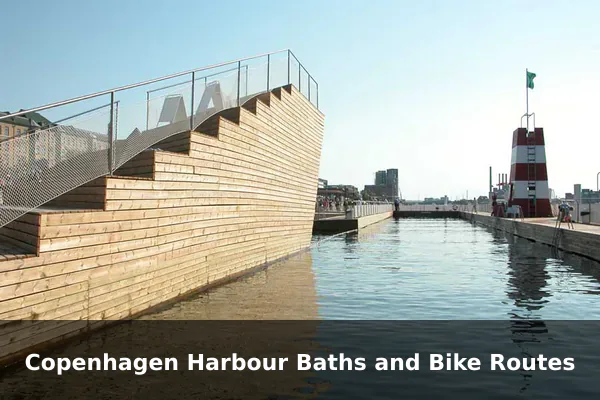
Copenhagen is worth visiting because it has become a working example of how a major city can prioritize cycling, clean water, and outdoor wellness without sacrificing urban energy. Its protected bike lanes, swimmable harbour, and compact center make it easy for visitors to experience the city the way locals do, supporting the growing demand for active, low-car city breaks.
Travelers can swim at harbour baths such as Islands Brygge and Sandkaj, then follow signed cycle routes between neighborhoods like Nyhavn, Christianshavn, and Refshaleøen. Along the way, visitors notice waterfront saunas, food halls, and design districts that connect easily by bike, making it possible to combine sightseeing, exercise, and casual dining in a single relaxed day.
Travel tip: Use marked cycle lanes and rent from a reputable shop or city bike system; bring swimwear and a towel if you plan to use the harbour baths.
Best time to visit: June to September, especially weekday mornings before after-work crowds arrive.
Ticket price: Many harbour bathing areas are free; bike rental prices vary by provider and rental length.
Madeira Digital Nomad Village and Levada Walks

Madeira is worth visiting because Ponta do Sol’s Digital Nomad Village helped popularize the idea that remote-work travel works best when it pairs reliable coworking with nature, routine, and a stable community. The island offers a mild Atlantic climate, fast internet, and a manageable cost of living, encouraging longer stays rather than quick laptop-from-the-beach visits.
Visitors can join coworking sessions and community meetups in Ponta do Sol, then spend afternoons or weekends walking the levadas, a network of irrigation channels with footpaths that thread through laurel forests, terraced farms, and cloud-covered ridges. Popular routes such as Levada do Caldeirão Verde and Levada das 25 Fontes show how the island balances work weeks with accessible, low-impact outdoor activity.
Travel tip: Confirm coworking access and accommodation separately, and wear proper walking shoes for levada trails because paths can be wet and narrow.
Best time to visit: March to June or September to November, with morning walks for cooler conditions and clearer views.
Ticket price: Village access is generally free; coworking, lodging, guided walks, and transport vary by provider.
Valencia Shoulder-Season City Break
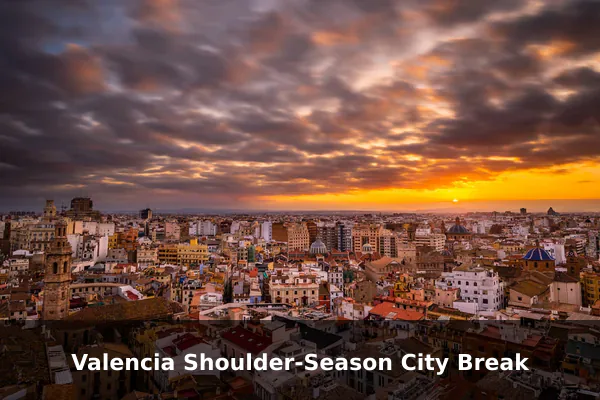
Valencia is worth visiting in the shoulder season because it offers mild Mediterranean weather, lower accommodation prices, and noticeably thinner crowds at major sights compared with peak summer. As travelers increasingly look for better value and a calmer pace, Spain’s third-largest city has emerged as a strong example of how spring and autumn travel can improve the overall experience.
Visitors can explore the old town around the Cathedral and Mercado Central, then walk or cycle the Turia Gardens, a long green park built in a former riverbed that leads to the City of Arts and Sciences. The city’s flat layout, expanding metro, and well-developed bike paths make it easy to combine museums, beach time at La Malvarrosa, and long lunches of paella without relying on a car.
Travel tip: Reserve major museum or attraction tickets online if visiting around local festivals, and use the metro or bike paths to avoid central traffic.
Best time to visit: March to May or October to November, with late morning museum visits and early evening walks through Turia Gardens.
Ticket price: Public gardens are free; museums and attractions usually charge separate entry, with prices varying by venue.
Aoraki Mackenzie International Dark Sky Reserve Stargazing

The Aoraki Mackenzie International Dark Sky Reserve in New Zealand’s South Island is worth visiting because it is one of the largest accredited dark sky reserves in the world, with strict lighting controls that protect exceptional views of the southern night sky. It represents the rise of astrotourism, where travelers plan trips around quiet, nature-based experiences whose quality depends on timing, weather, and moon phase rather than on crowds.
Visitors can stargaze independently from public spots around Lake Tekapo and Lake Pukaki, or join guided tours at facilities such as the Mt John Observatory to see the Milky Way core, the Magellanic Clouds, and the Southern Cross through telescopes. During the day, the same area offers turquoise glacial lakes, alpine walks, and views of Aoraki/Mount Cook, giving travelers a full landscape experience that complements the night sky.
Travel tip: Check moon phase and cloud forecasts before booking, and bring warm layers even in warmer months because nighttime temperatures drop quickly.
Best time to visit: April to September for longer nights, ideally near a new moon and after sunset.
Ticket price: Independent stargazing is free in public areas; guided observatory or night-sky tours have variable prices.
Costa Rica Osa Peninsula Rainforest Lodge Stay
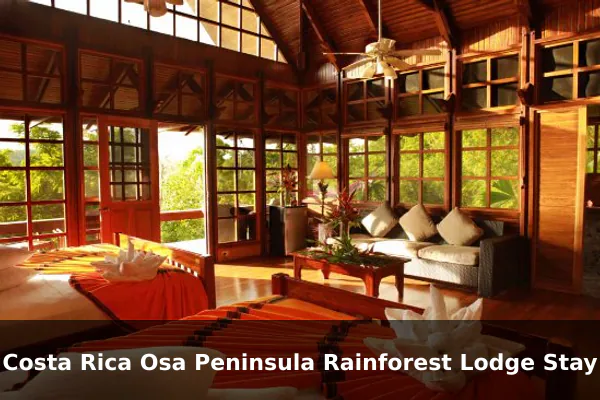
The Osa Peninsula is often cited by conservation researchers as one of the most biologically intense places on the planet, and a lodge stay here directly supports the small operators and community guides who help keep that ecosystem intact. For readers tracking nature-positive travel, it is a rare destination where a single trip can fund habitat protection, employ trained local naturalists, and still deliver close, unhurried encounters with wildlife in primary rainforest.
Guests typically join early walks into Corcovado or Piedras Blancas sectors with licensed guides, scan estuaries by kayak or boat for crocodiles and shorebirds, and learn how lodges manage water, waste, and reforestation on site. Evenings tend to revolve around quiet decks where howler monkeys, scarlet macaws, and frogs become the soundtrack instead of nightlife.
Travel tip: Choose licensed guides for rainforest and park visits, carry insect repellent, and keep luggage light because transfers may involve boats or rough roads.
Best time to visit: December to April for drier trails, with early morning wildlife walks for the best viewing chances.
Ticket price: Lodge, guide, transfer, and park-related costs vary by operator and season.
Slovenia Green Gourmet Route by Train and Bike
Slovenia has built a national identity around sustainable tourism, and the country’s mix of compact rail links and signposted cycling routes makes it one of Europe’s easiest places to travel slowly without a car. The Green Gourmet idea matters to readers because it shows how low-impact movement, regional cuisine, and small family-run stays can be stitched into a single, very practical itinerary.
Travelers can ride between vineyard valleys, alpine foothills, and karst plateaus, pausing at farm-to-table inns, cheese dairies, and Michelin-recognized rural kitchens that lean on local producers. Trains carry bikes on many regional lines, so a typical day blends a short rail hop, a relaxed ride along a river or wine road, and a long, seasonal lunch.
Travel tip: Plan luggage transfers or pack panniers lightly, and reserve rural restaurants ahead because opening days can be limited outside peak season.
Best time to visit: May to June or September, with daytime riding and lunch stops planned before afternoon closures.
Ticket price: Prices vary for bike rental, rail segments, lodging, meals, and guided packages.
Rijksmuseum Accessible Museum Visit in Amsterdam
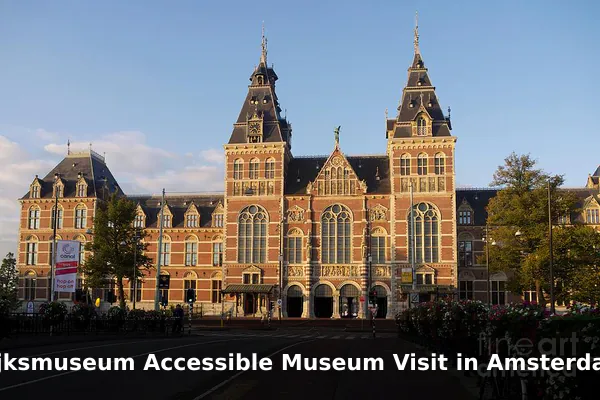
The Rijksmuseum has invested heavily in step-free routes, sensory-friendly tools, and staff training, which makes it a useful flagship example of how flagship cultural sites can be planned around real mobility, sensory, and pacing needs. For readers, it reframes accessibility not as a niche concern but as a mainstream travel-planning skill that improves the visit for families, older travelers, and anyone who prefers a calmer pace.
Visitors can request wheelchairs and rollators, follow shorter highlight routes through the Gallery of Honour, use audio descriptions and tactile tours, and plan rest stops in quieter wings away from the busiest masterpieces. Pre-booking a timed slot and reviewing the museum’s accessibility pages allows companions, assistance dogs, and special access points to be arranged before arrival.
Travel tip: Review the museum’s current accessibility information before booking and reserve a timed entry slot to reduce waiting and crowd stress.
Best time to visit: Weekday mornings outside school holidays, especially in January to March or November.
Ticket price: Timed museum admission applies; concessions, companion policies, and special access rules should be checked before visiting.
Helsinki Archipelago Sauna and Ferry Day
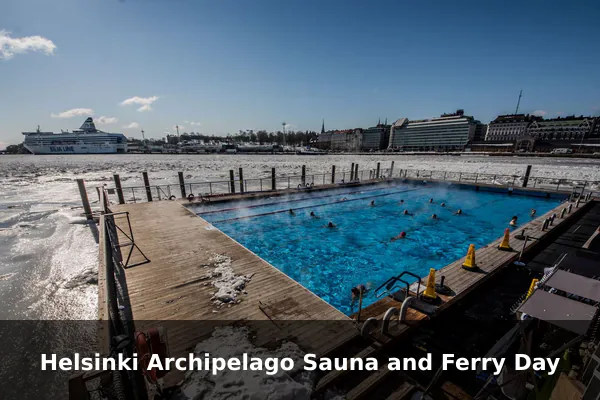
As southern European summers grow hotter and more crowded, Helsinki’s archipelago offers a cooler, calmer alternative that is still easy to reach by scheduled public transport. A single day combining a public ferry, a shoreline walk, and a sauna with sea access captures why Nordic coastal escapes are increasingly framed as a sensible response to climate and overtourism pressure rather than a fringe choice.
From the central market, ferries connect to fortress islands, recreational islands, and quieter outer skerries where forest paths, swimming spots, and seasonal cafes sit close together. Travelers can finish with a session at a public sauna on the waterfront, alternating between hot rooms and the Baltic, which doubles as both a cultural ritual and a low-cost way to slow the day down.
Travel tip: Check ferry schedules carefully, bring swimwear and sandals, and book popular public saunas in advance during weekends.
Best time to visit: June to September for ferries and sea swimming, or winter afternoons for a colder sauna-and-sea experience.
Ticket price: Public ferry and sauna prices vary; some shoreline walks and island areas are free.
Seoul Temple Stay Experience
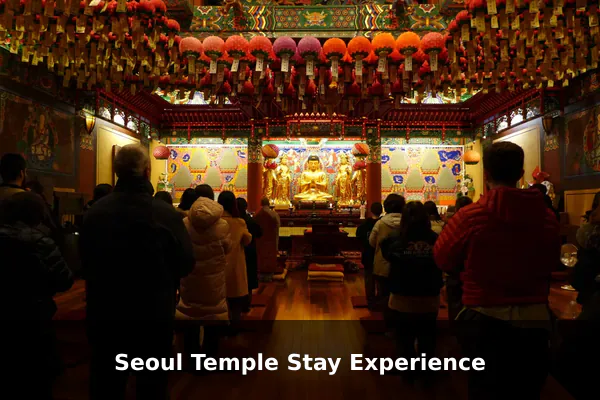
Korea’s official Templestay program runs at temples across Seoul and the surrounding mountains, and it has become a touchstone example of the wider shift toward slower, reflective travel. For readers, it shows how a short, structured stay inside a living religious community can replace a packed sightseeing schedule with routine, quiet, and meaningful participation in a centuries-old culture.
Guests share simple shared rooms, eat balanced temple meals in silence, and join activities such as early chanting, walking meditation, lotus lantern making, and tea conversations with a monk. The pace is deliberately unhurried, so the trip becomes less about counting landmarks and more about noticing breath, posture, and the rhythm of mountain forests on the city’s edge.
Travel tip: Follow dress and behavior guidelines carefully, arrive before check-in time, and be prepared for early mornings and simple meals.
Best time to visit: Spring or autumn, with weekday stays offering a quieter atmosphere than holiday periods.
Ticket price: Program prices vary by temple, room type, meals, and length of stay.
Official references
- UN Tourism World Tourism Barometer – Primary global source for short-term tourism trends, international arrivals, receipts, regional performance, and tourism confidence indicators.
- World Travel & Tourism Council Economic Impact Research – Useful for global and regional travel and tourism economic impact, visitor spending, jobs, forecasts, and sector trend framing.
- IATA Air Passenger Monthly Market Analysis – Current primary aviation-industry data on passenger demand, capacity, load factors, and regional air travel performance.
- ICAO Air Traffic Monitor – Official UN aviation agency monitor for monthly and yearly air transport indicators and aviation trend context.
- OECD Tourism Trends and Policies 2024 – Authoritative policy-focused reference for sustainable tourism, destination management, government priorities, and structural travel trends.
